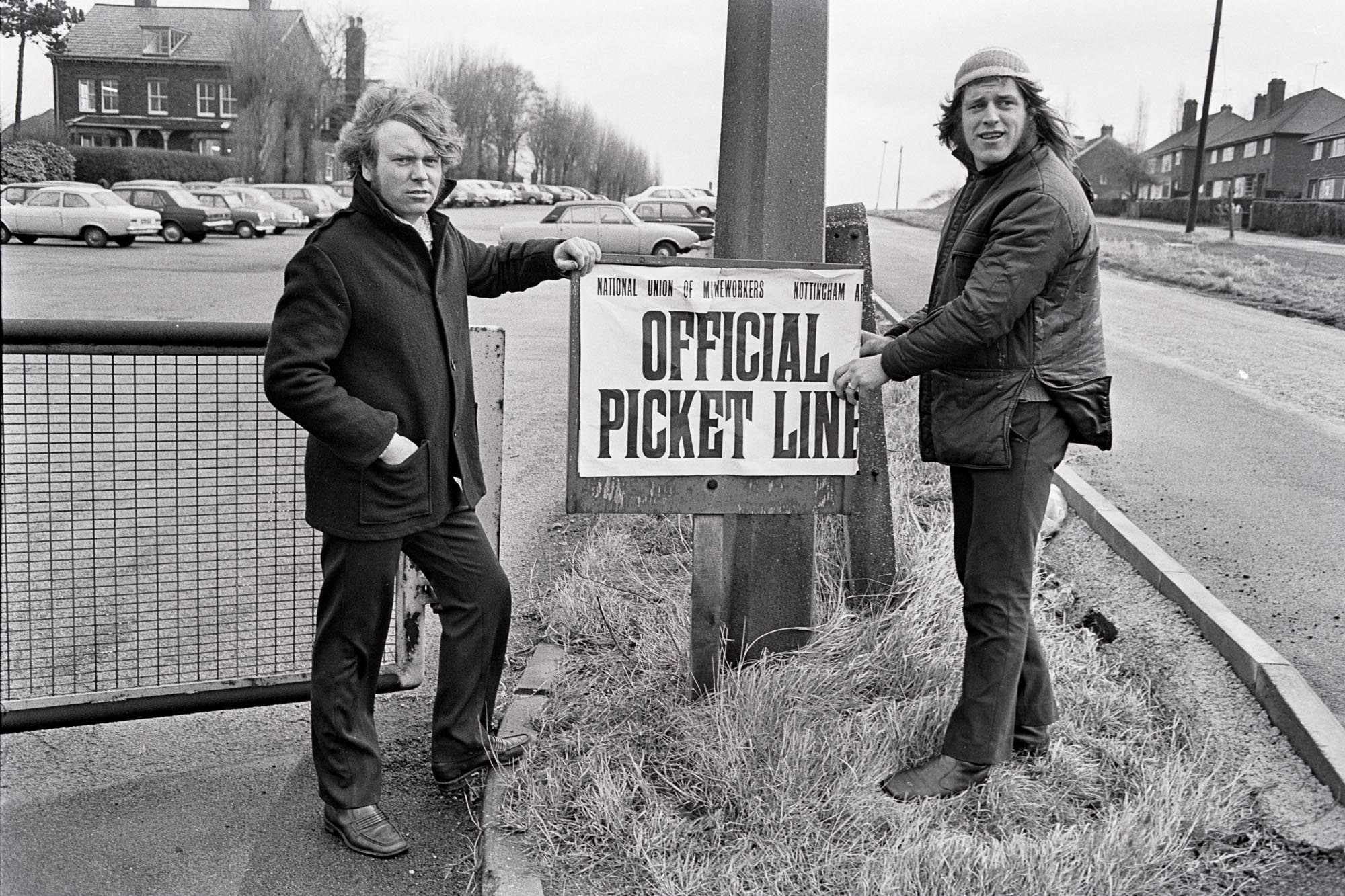
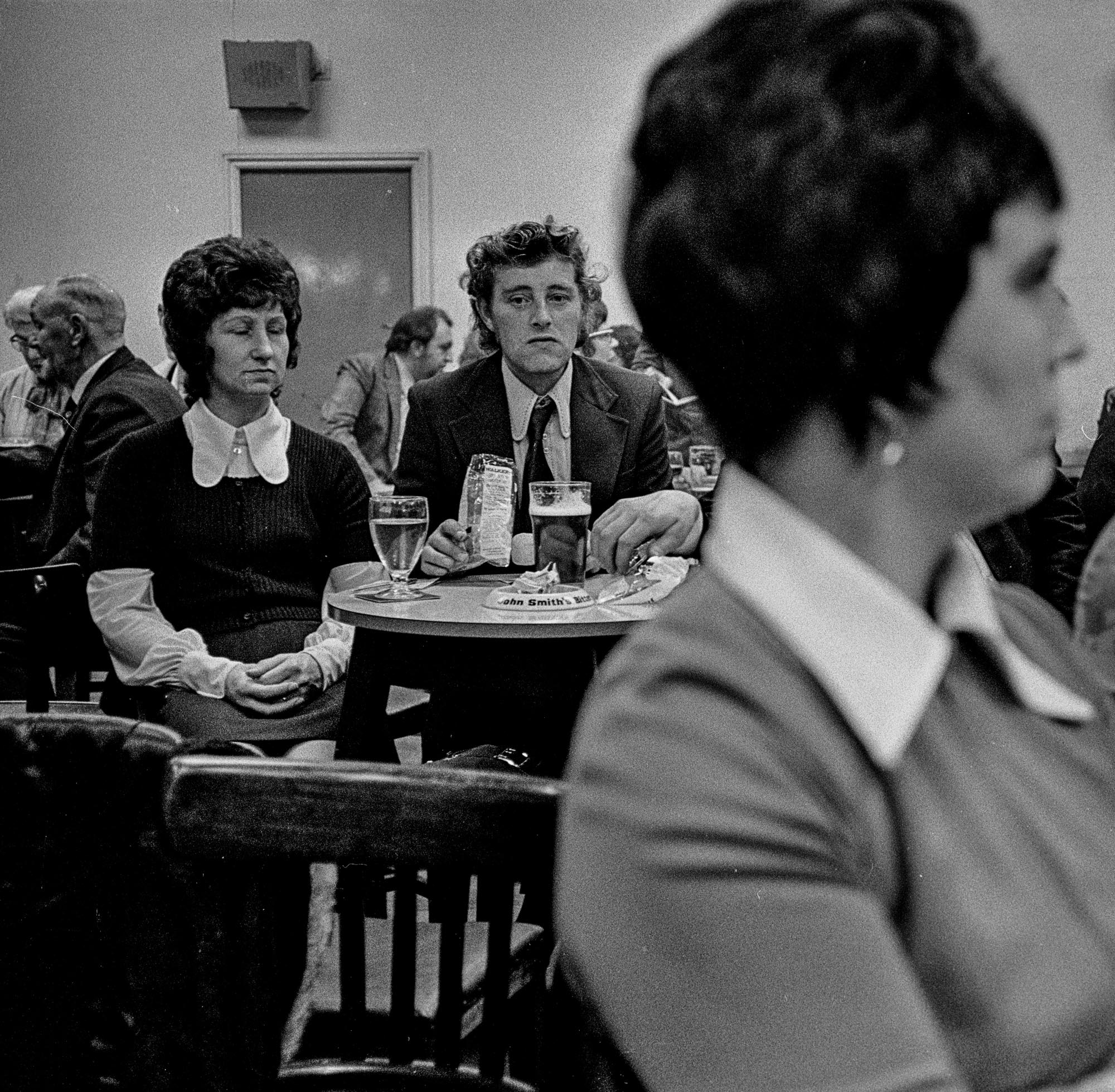
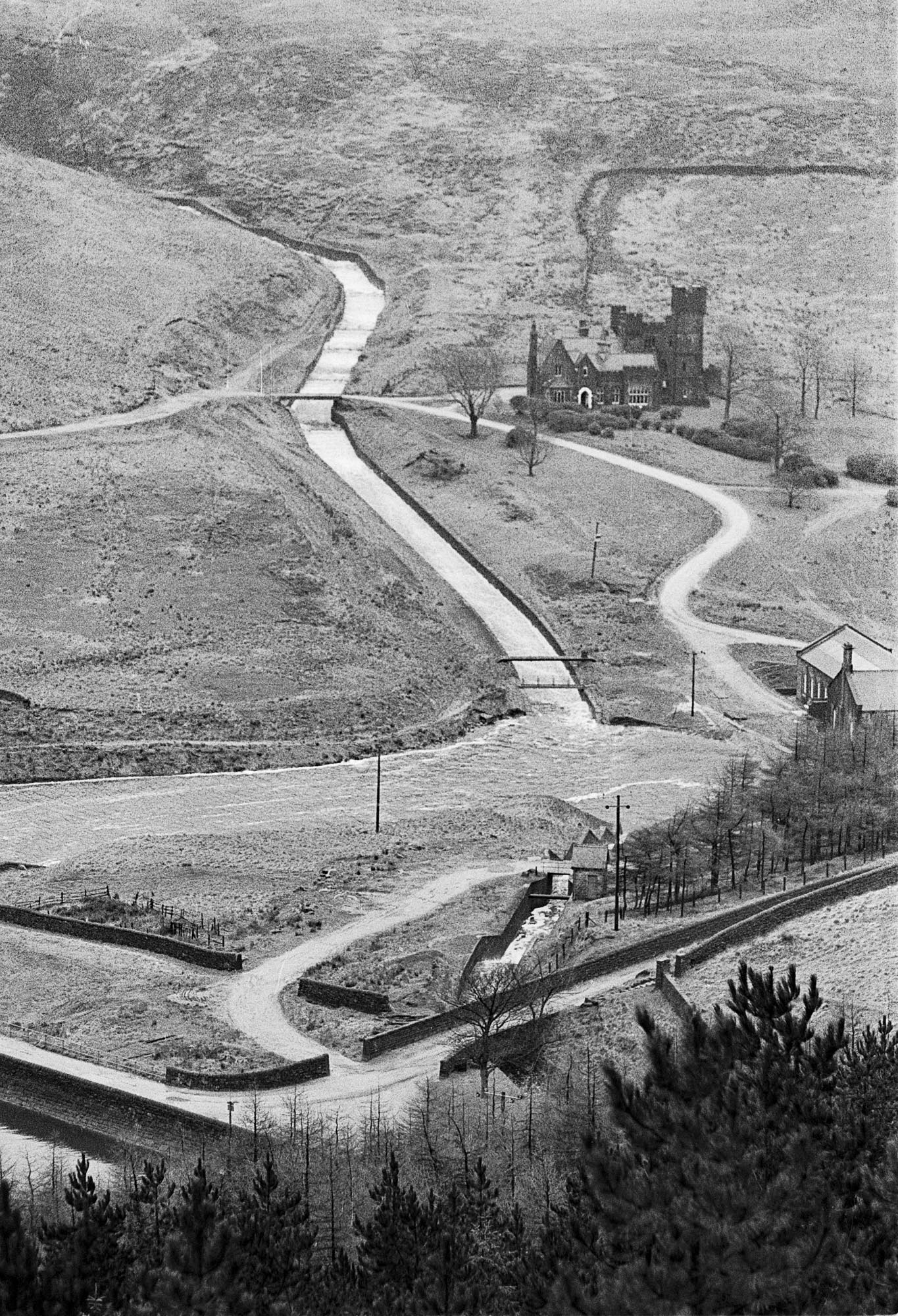
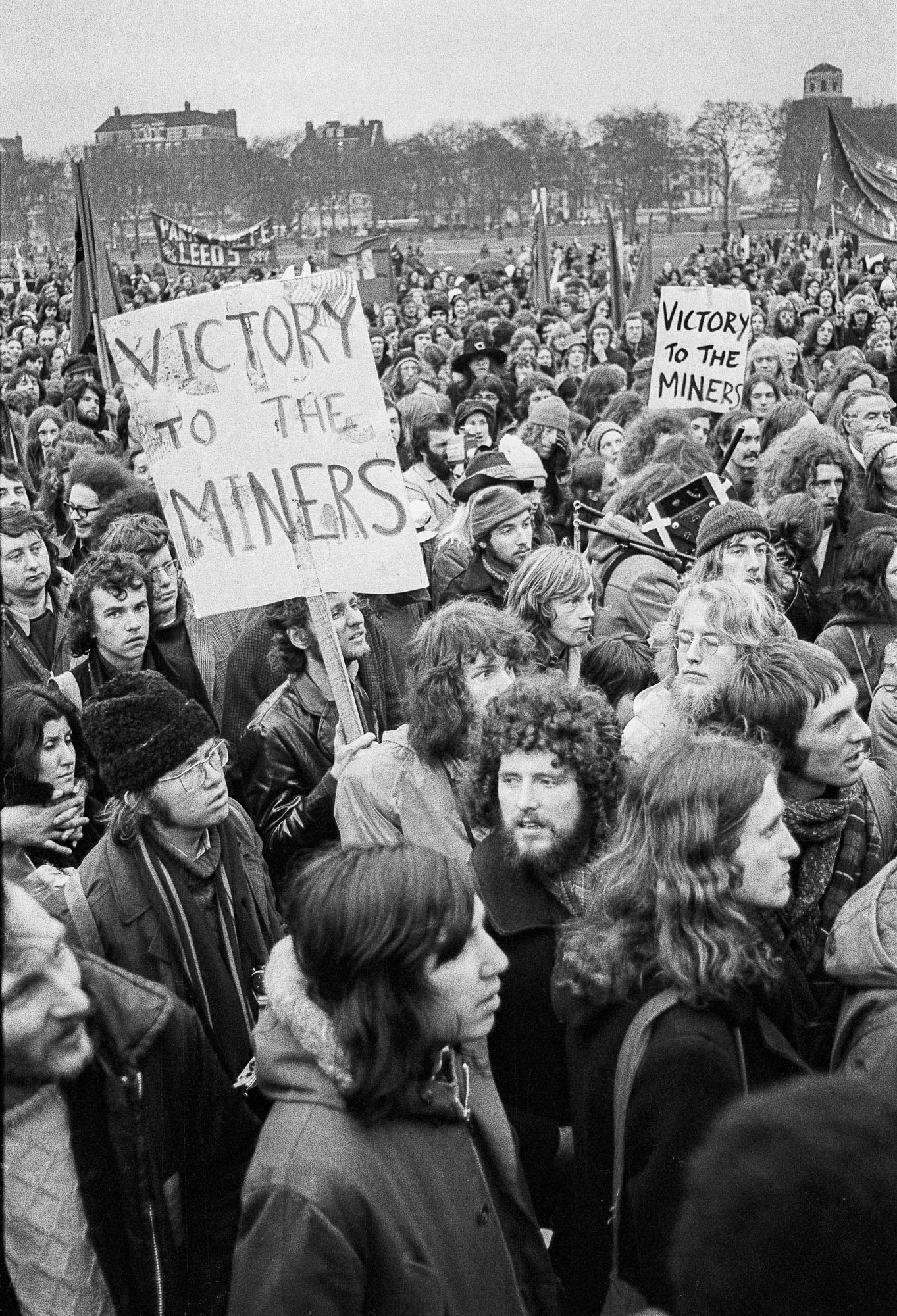
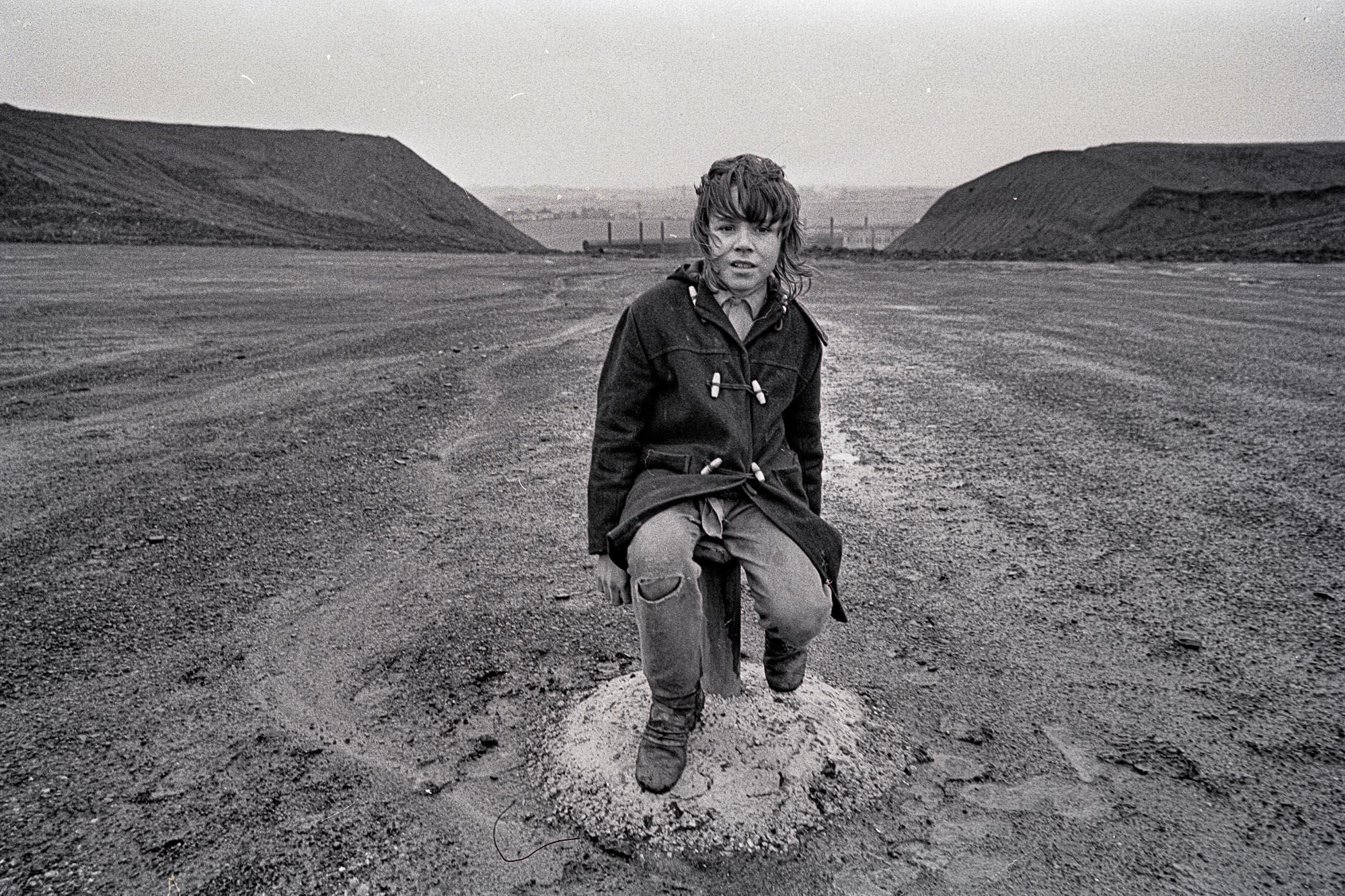
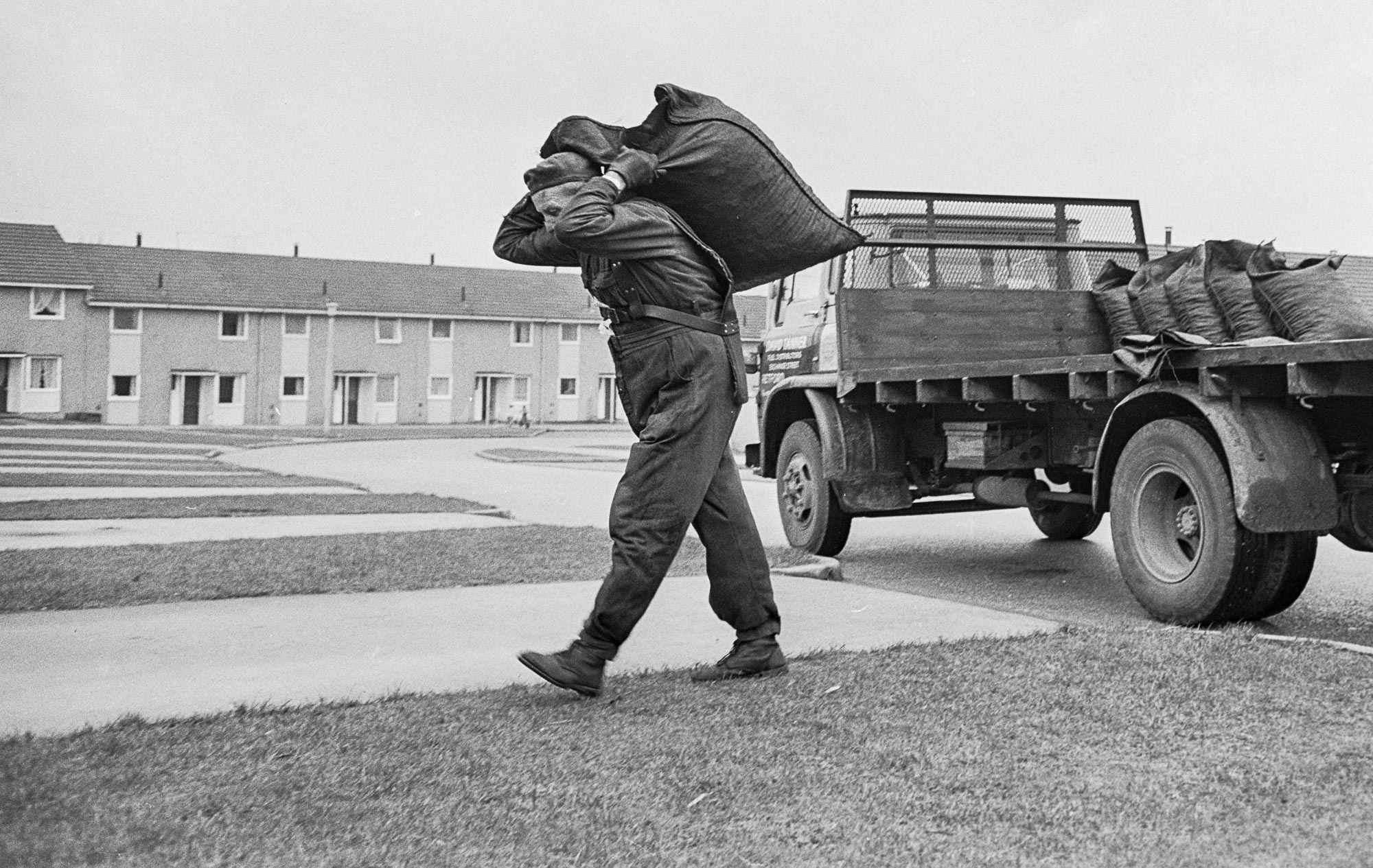
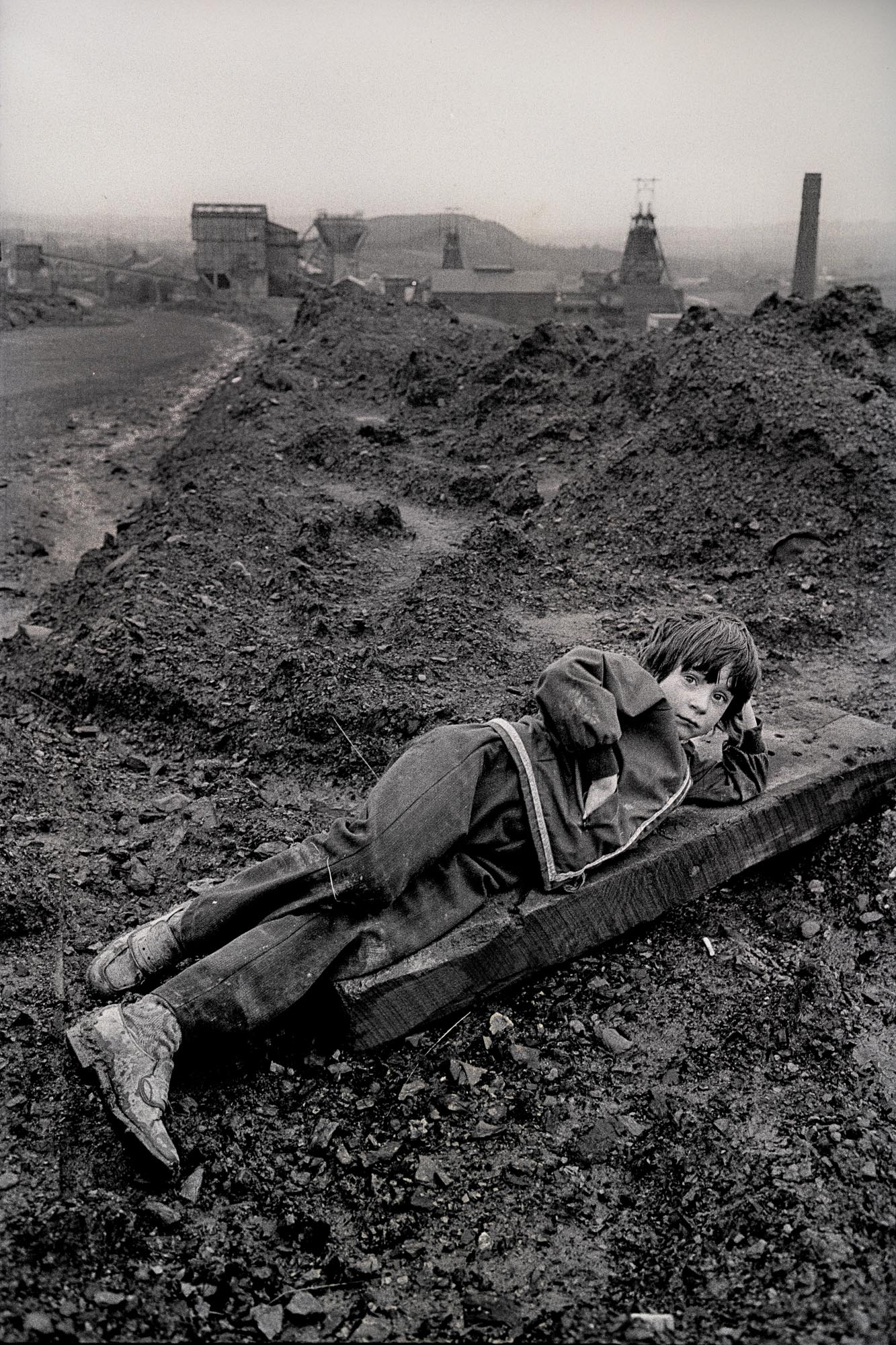
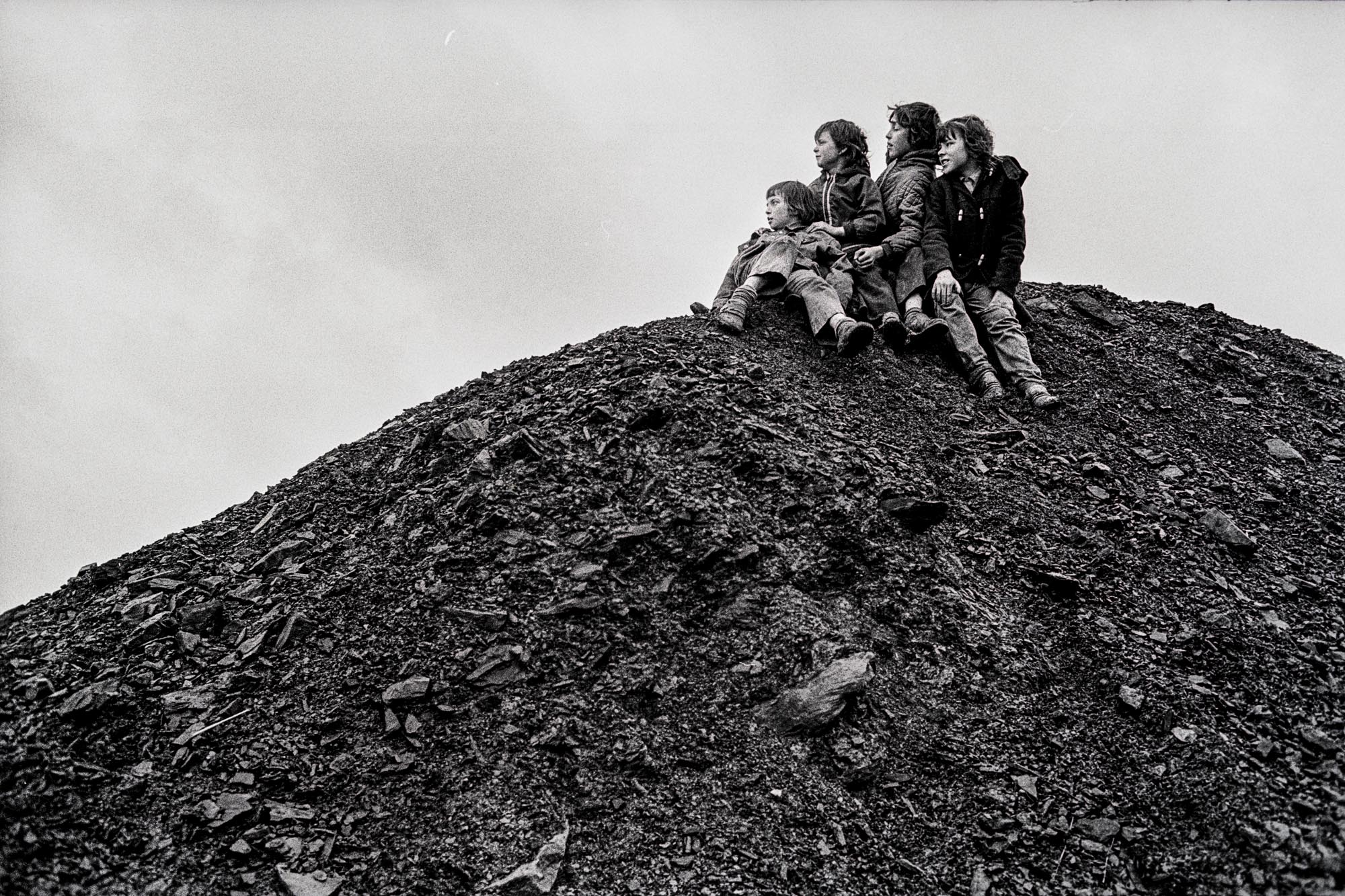
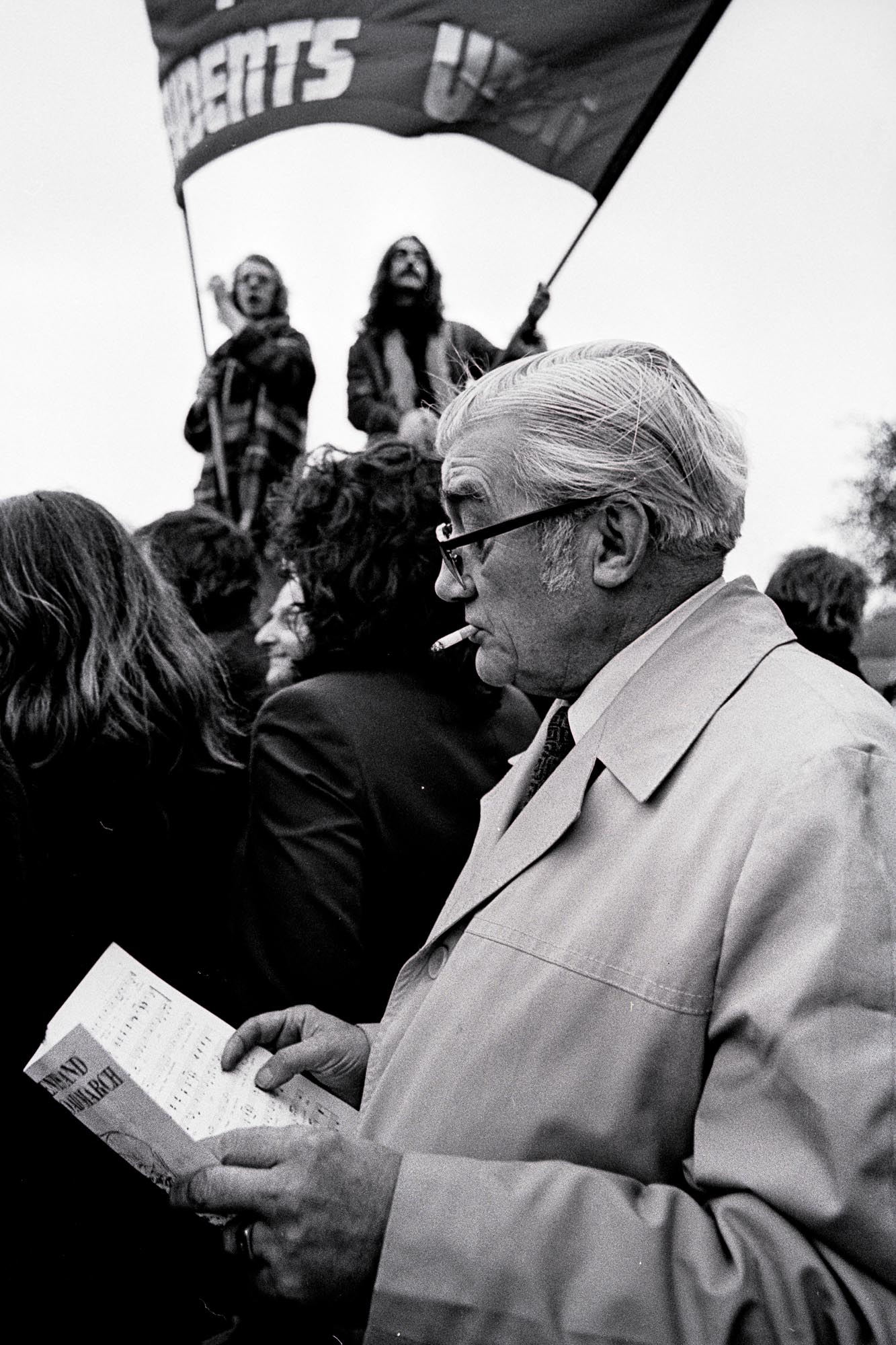
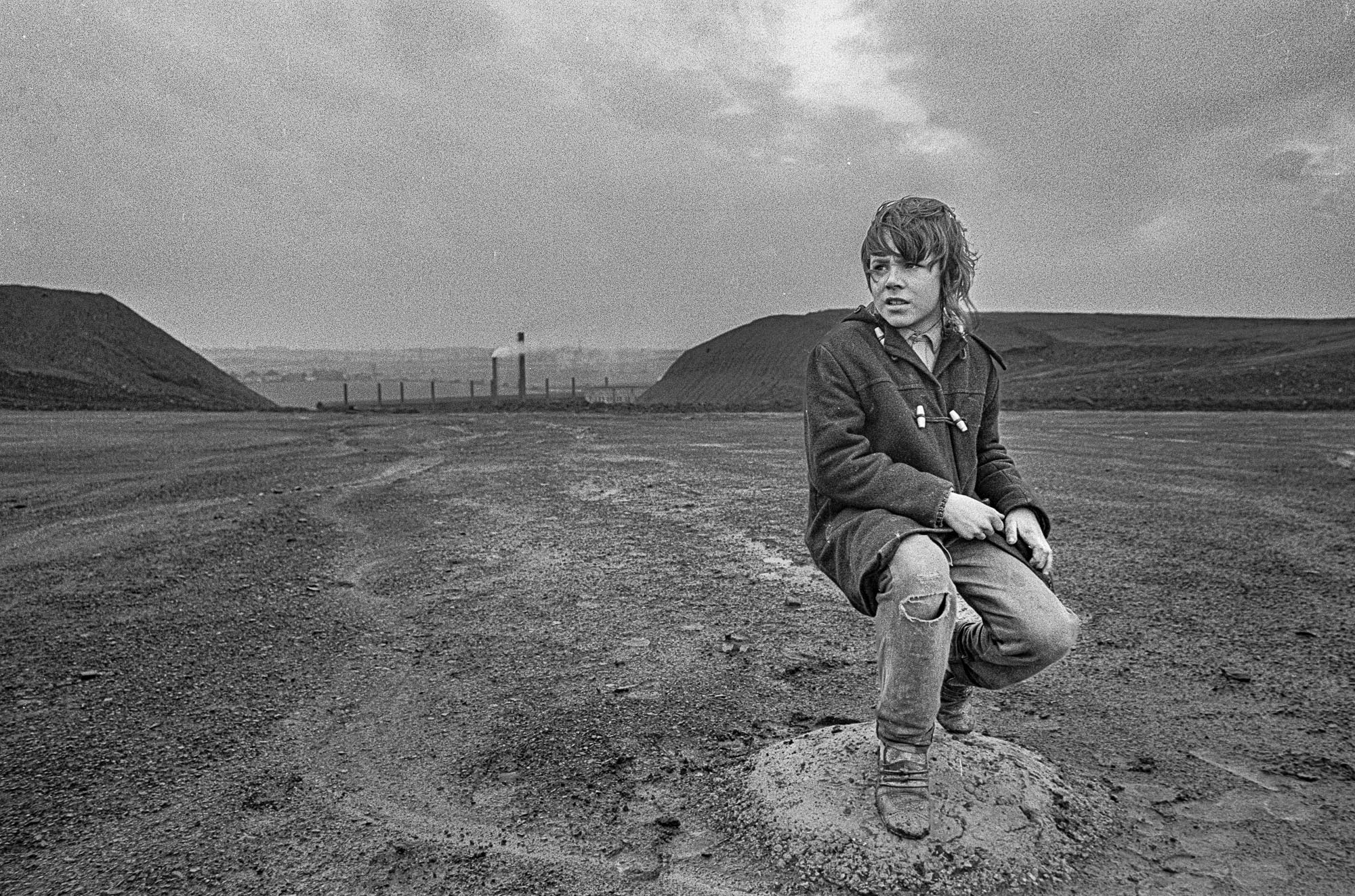
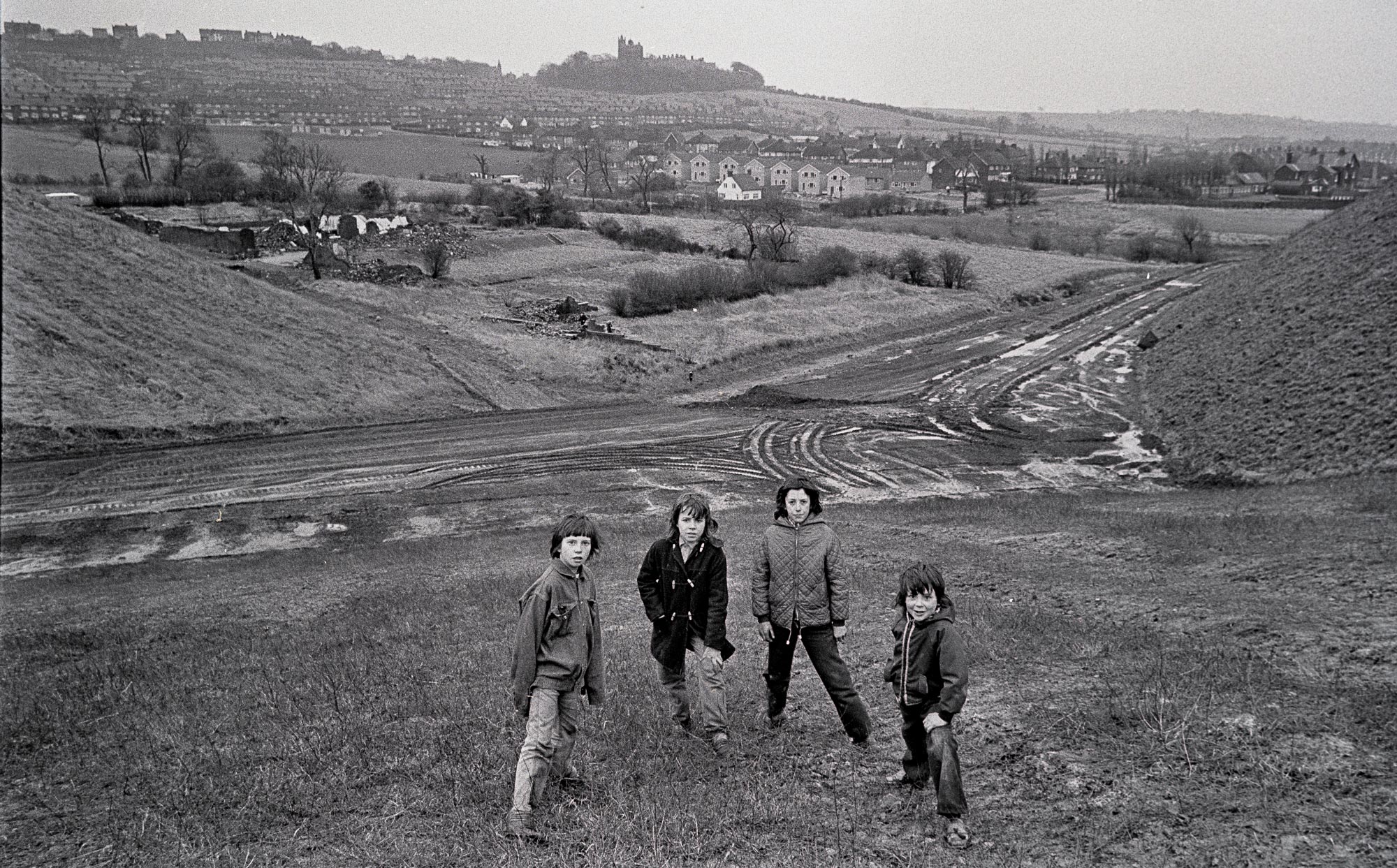
The 1970s was a decade in Britain defined by power struggles between the government and trade unions. Beginning with coal miners’ strikes and ending with the biggest collective strikes Britain has ever seen, millions of people were affected and the country faced serious political and economic challenges as the attitude of post-war affluence wore off.For many, one of the defining features of the decade was the brief introduction of the three day working week in order to save electricity during an energy crisis. Despite only lasting 2 months, it proved to be an event which shaped politics for the rest of the decade, and several more to come.
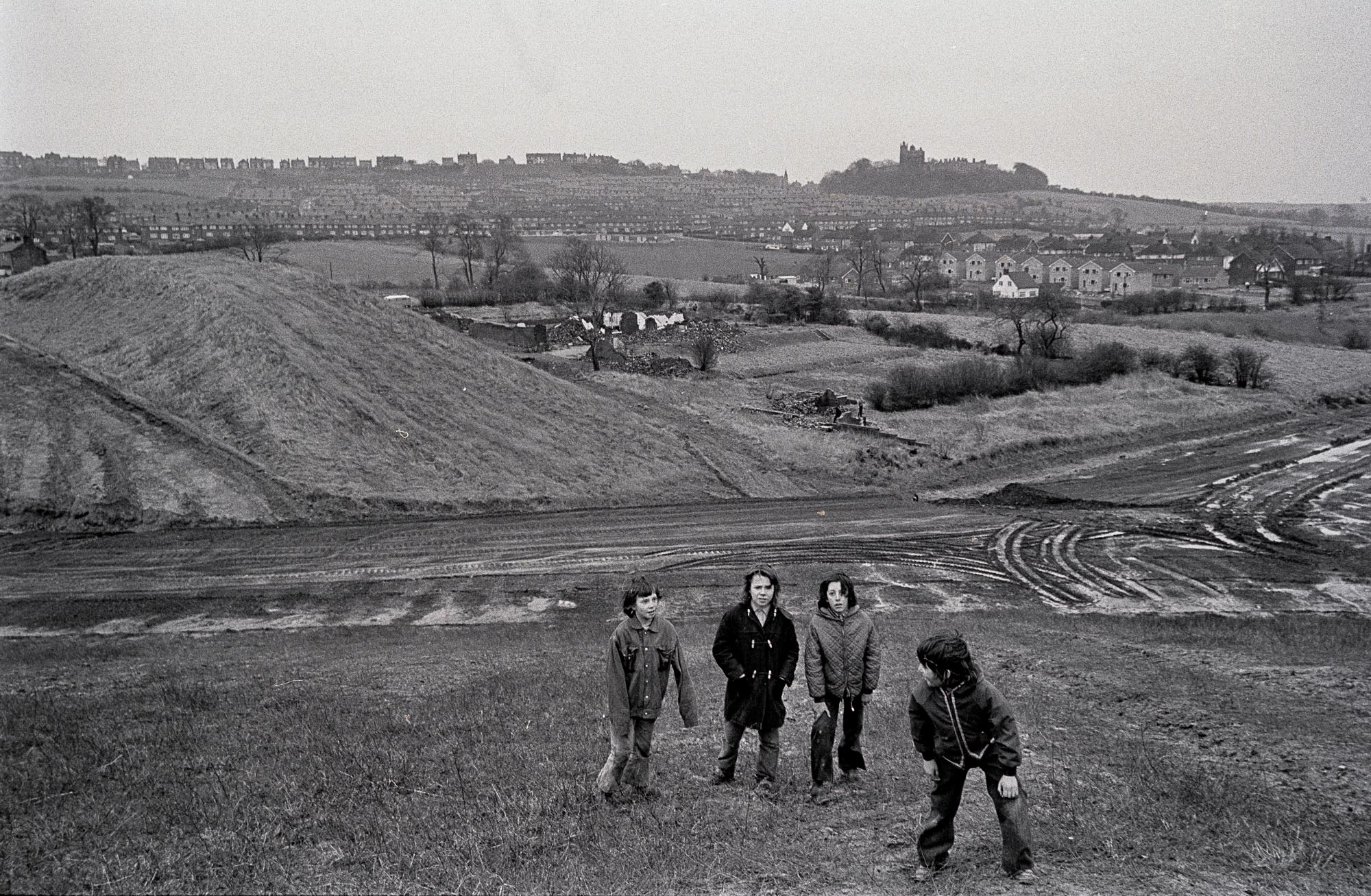
It hit the mining communities hard and feelings ran high.
Many families suffered terribly but miners are a tough lot.
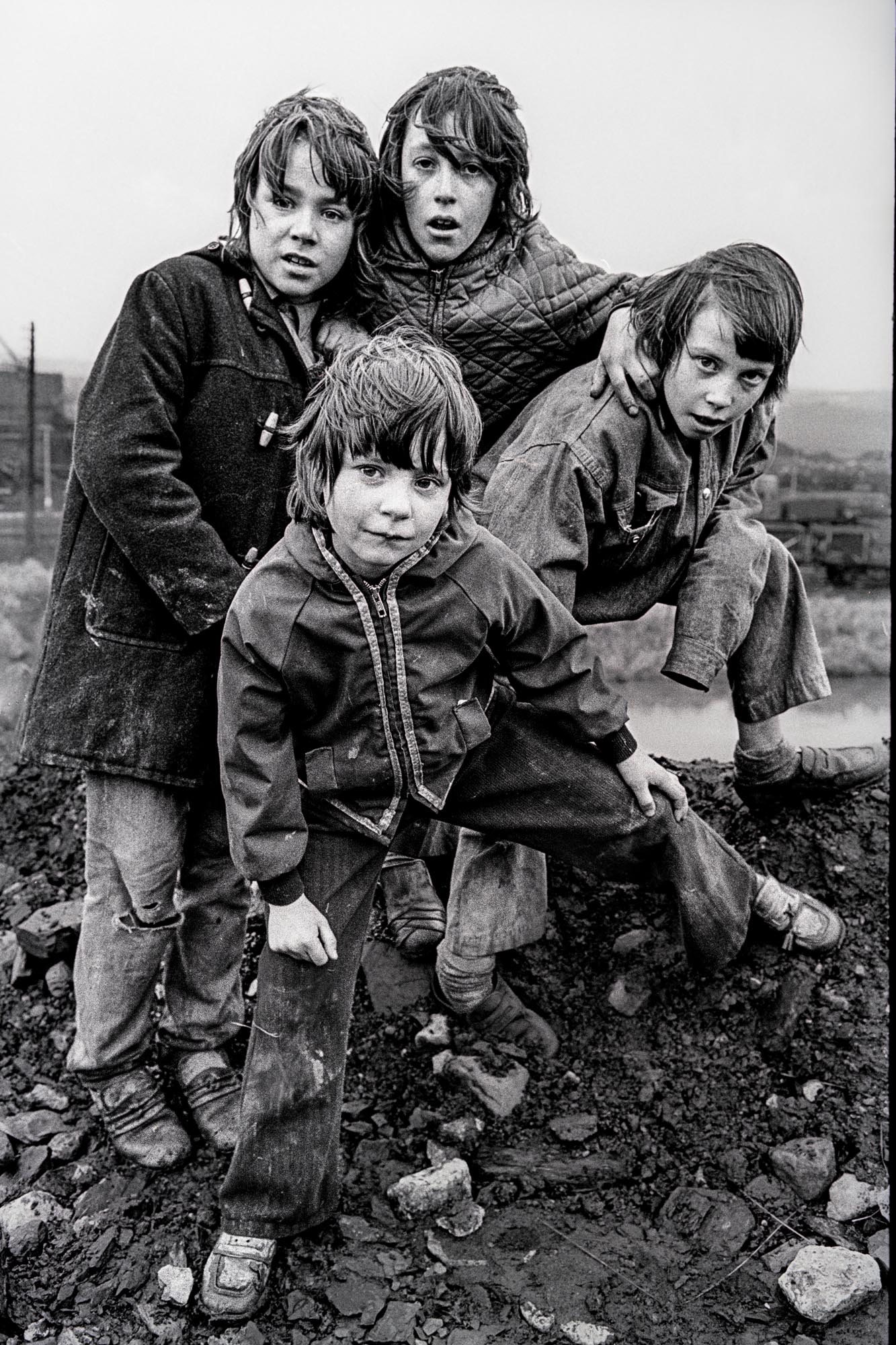
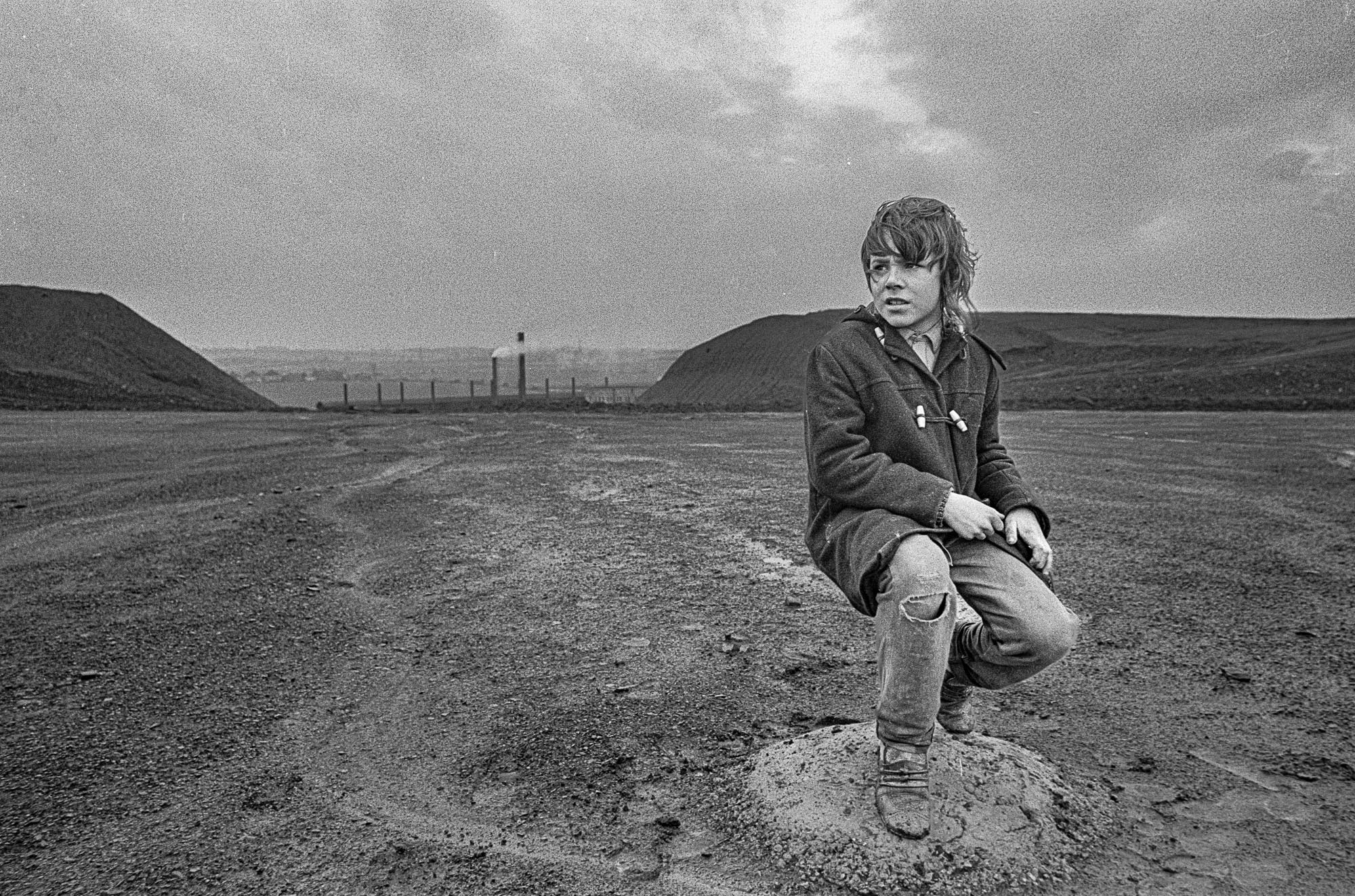
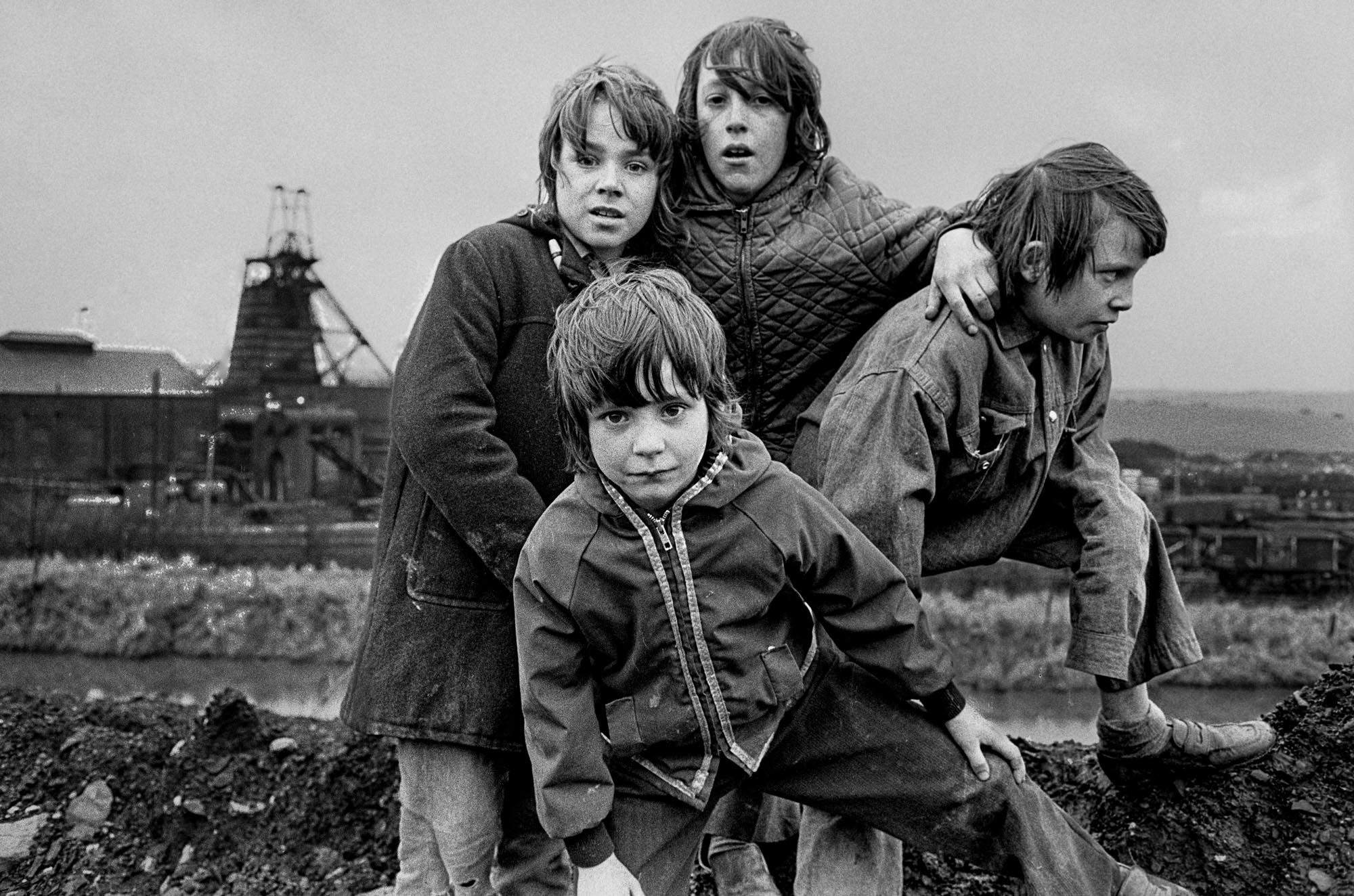
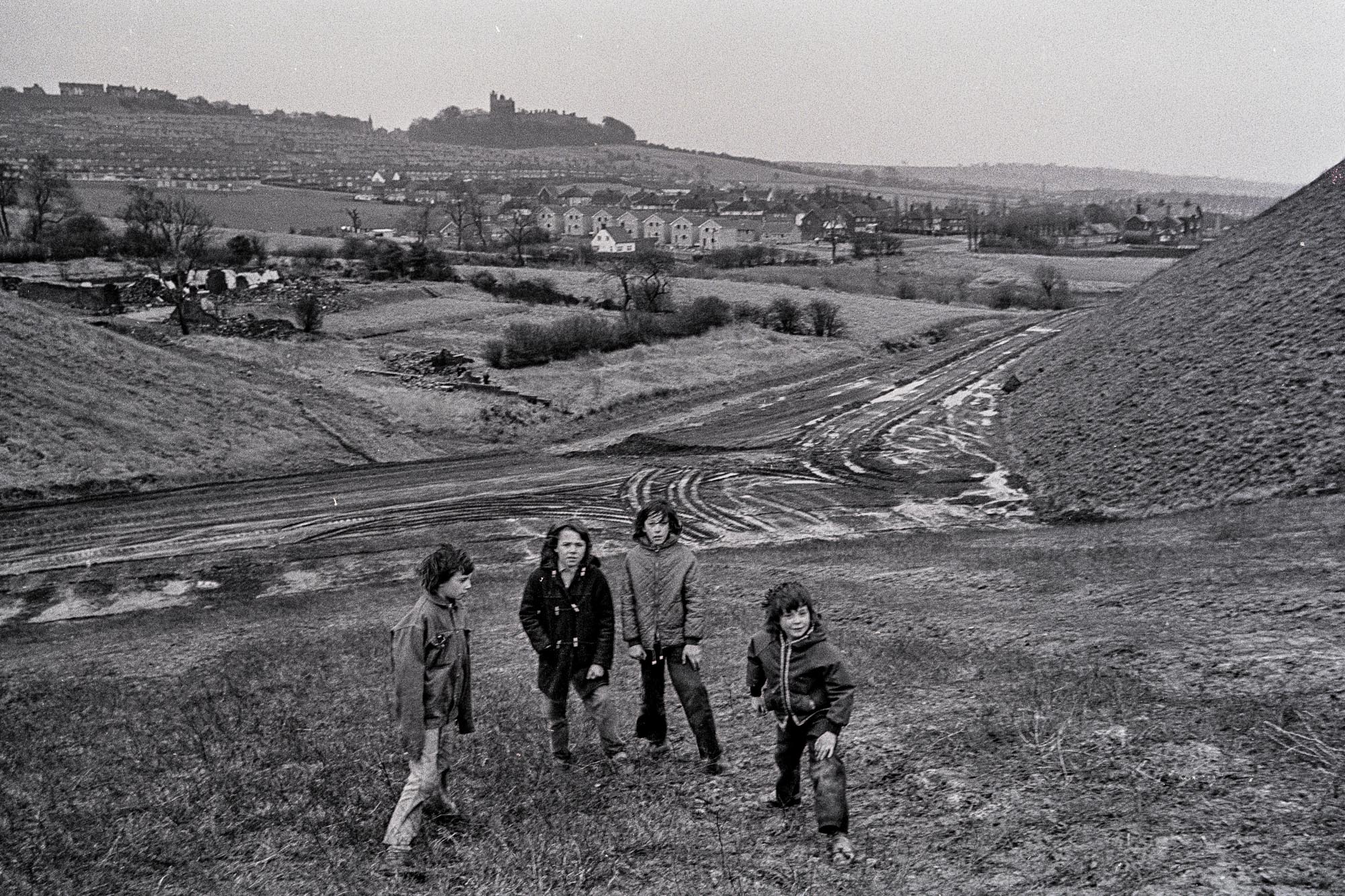
The local kids have few places to play and the coal tips provide their play spaces.
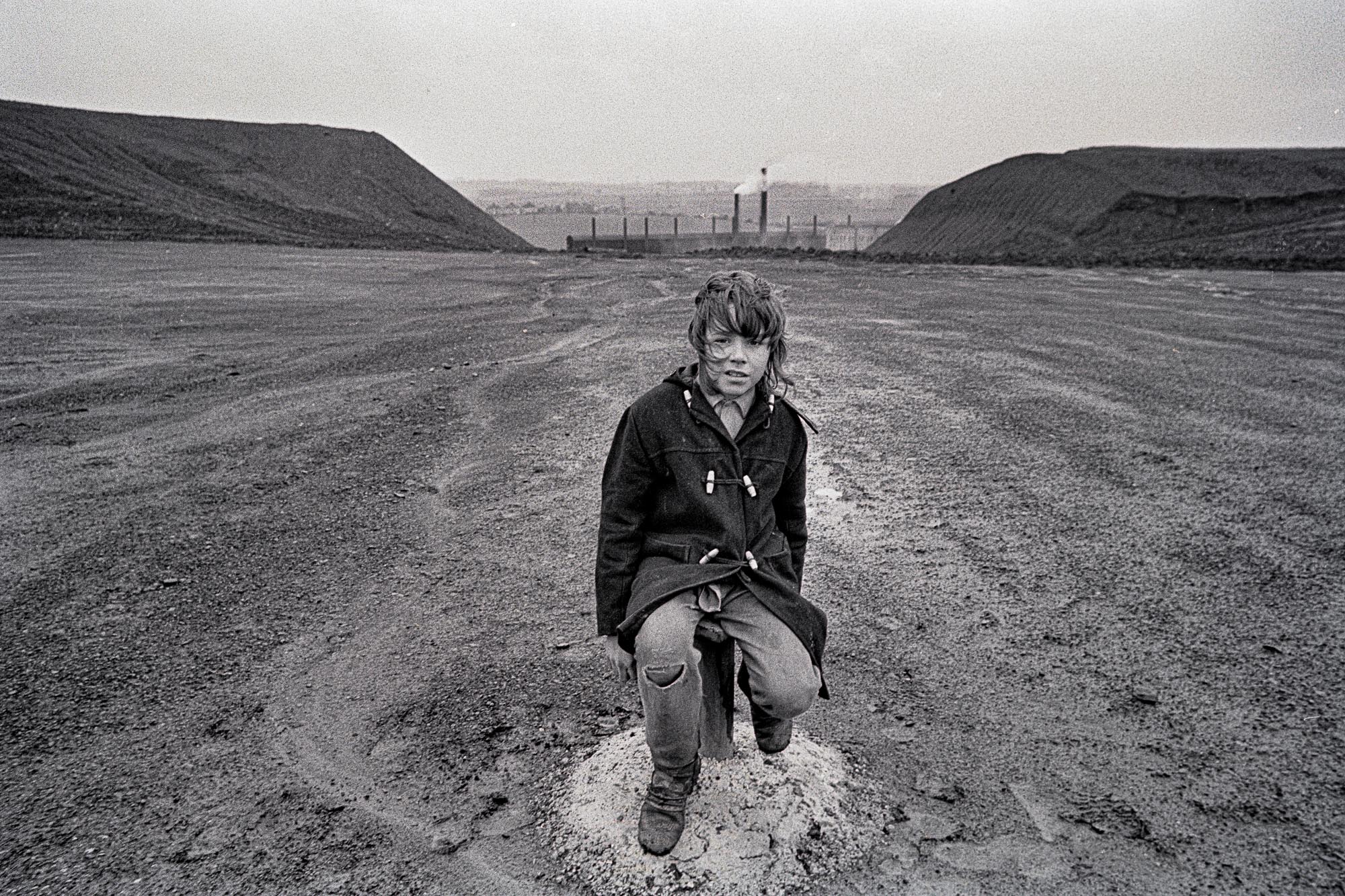
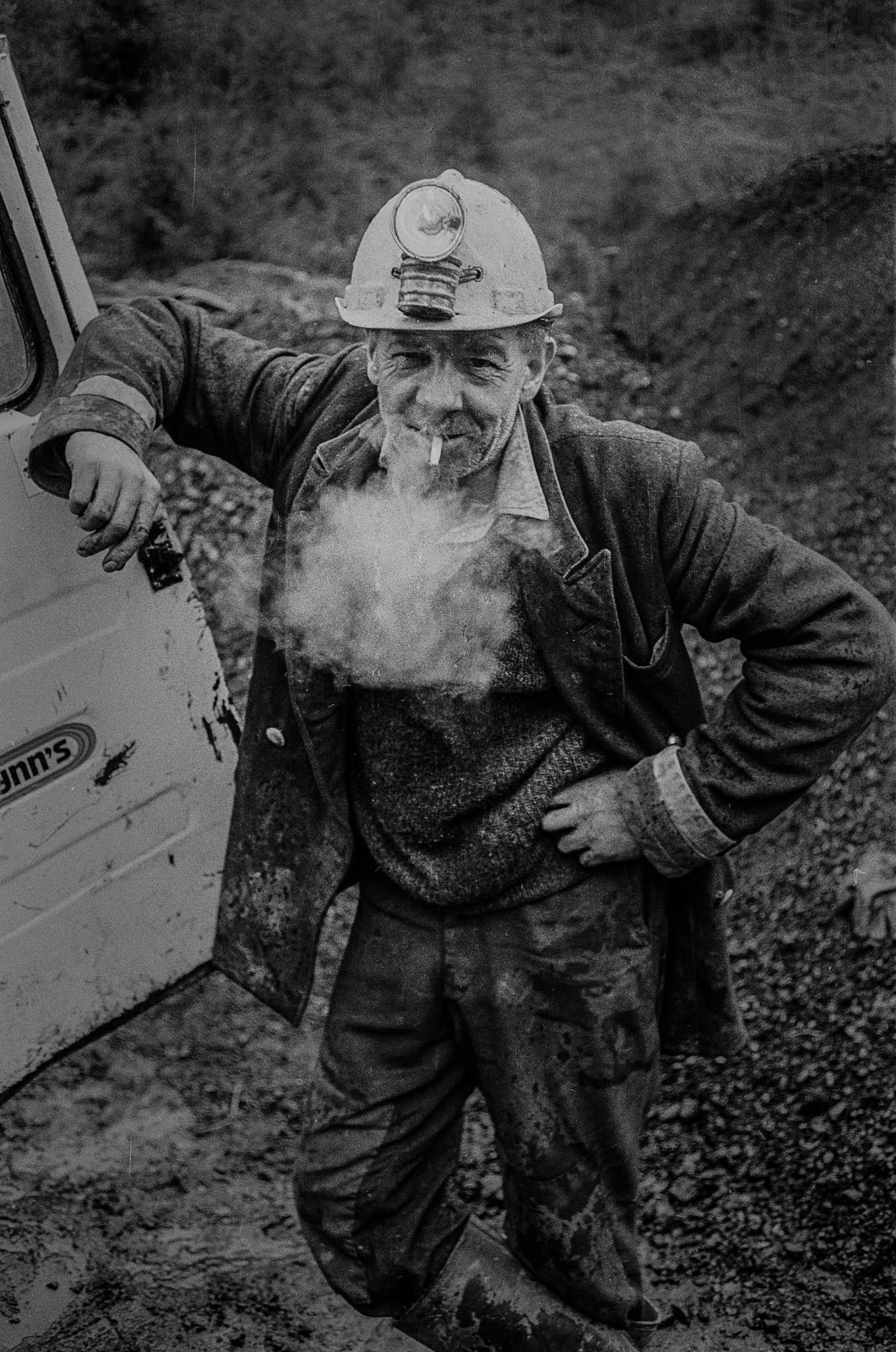
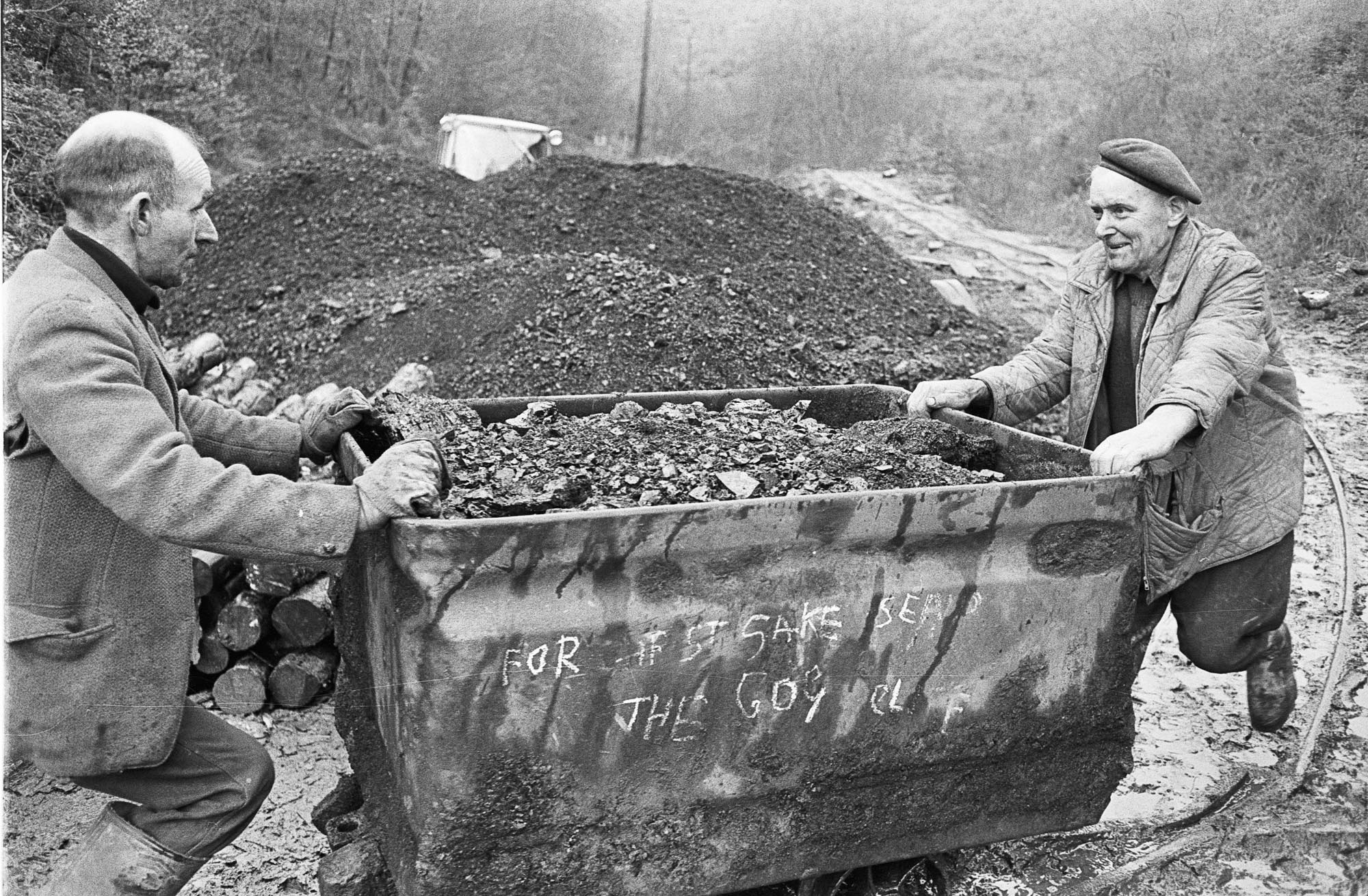
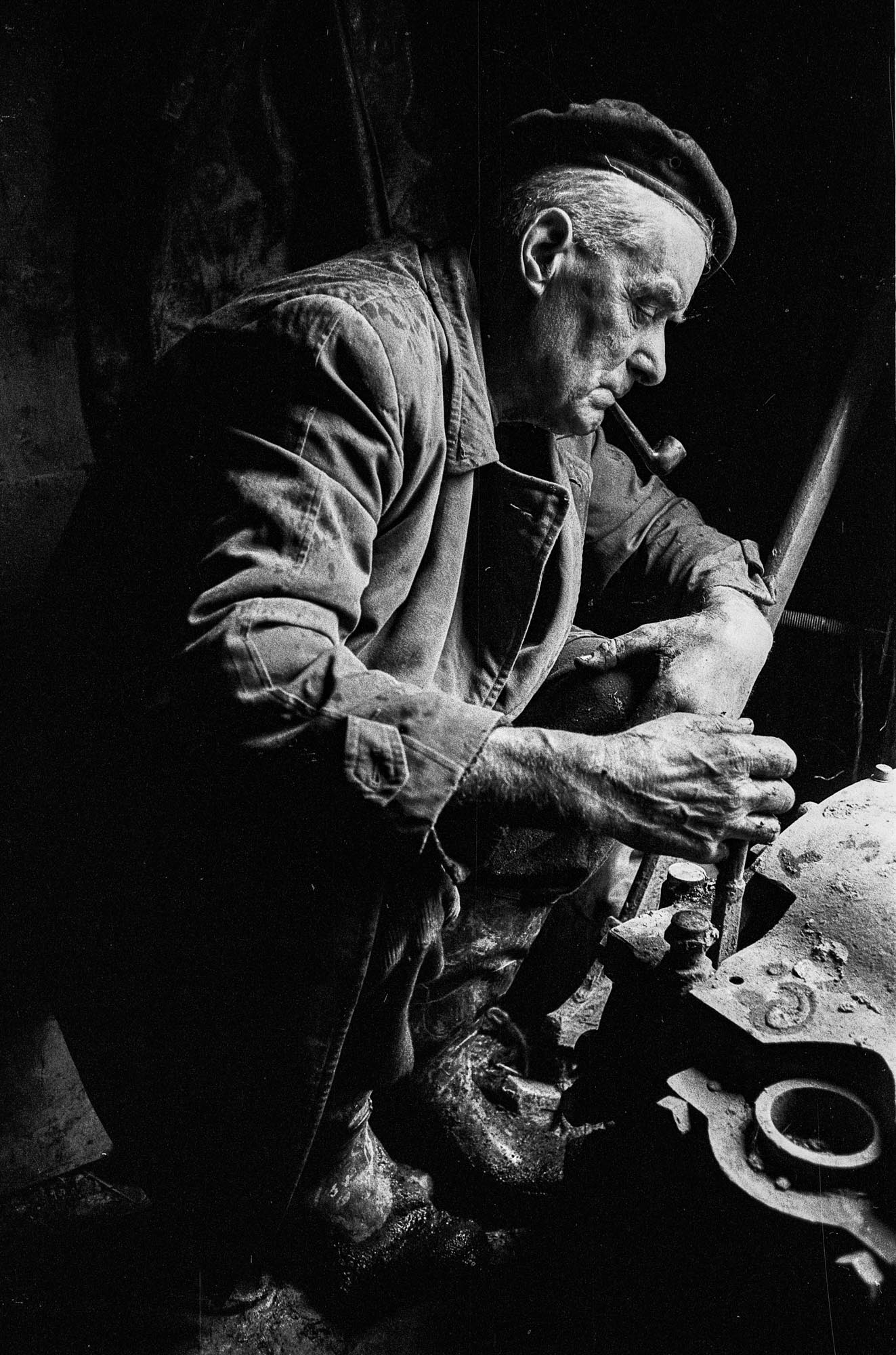
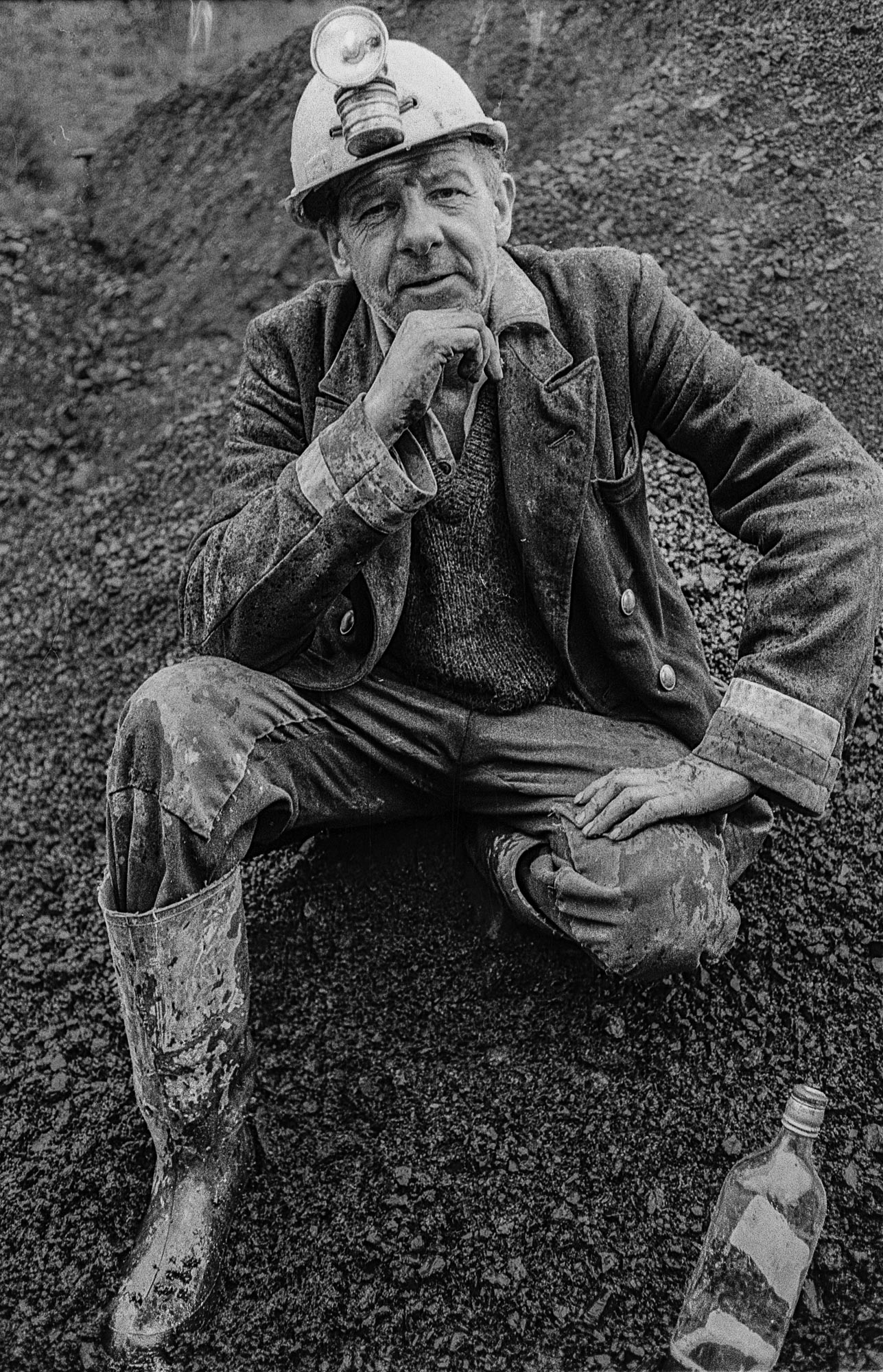
But for some the work continued:
There was a privately operated colliery in Bixslade in the Forest of Dean since at least the 1790s.
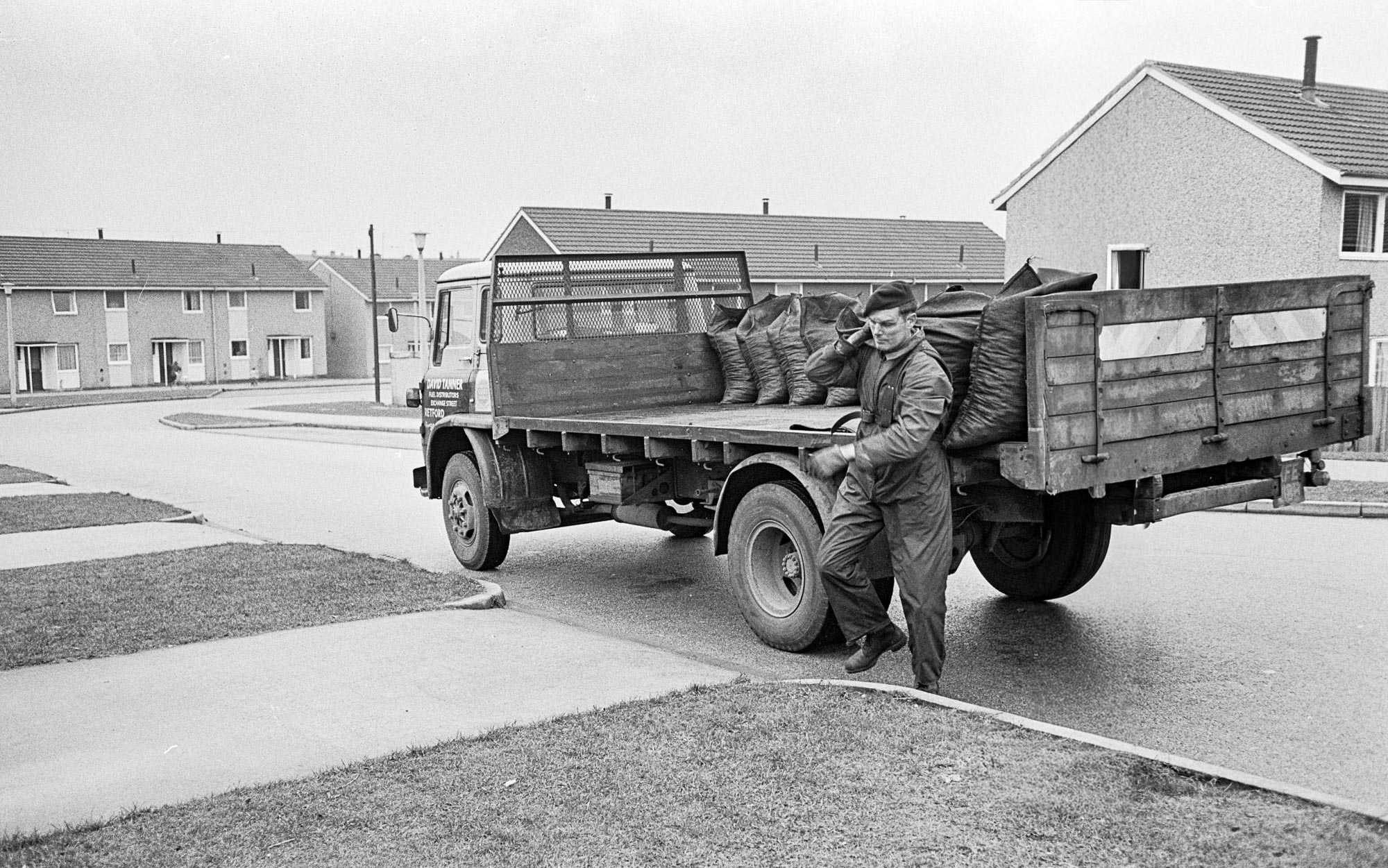
In 1908 the Bixslade Colliery Co. employed 20 people, and the ‘tramroad’ was conveying coal until 1946.
Since then, it has been a dwindling business, when I visited them there were four men working the mine; a simple black hole in the hillside.


![In January 1974 the NUM won a national ballot for strike action, a vote by members to intensify their overtime ban action and move to full work stoppage. The radical newspaper Socialist Worker, which you can read in Peoples History Museum's archive, noted how for months the Tories had been demanding a ballot of the miners, claiming the ordinary miner as out of touch with the leadership. The ballot result was ‘188,393 mighty punches from the miners’ which had ‘knocked the Tories sideways.’ The strike action was announced officially on 5 February 1974, and two days later the Prime Minister responded.The Three-Day Week was one of several measures introduced in the United Kingdom in 1973–1974 by Edward Heath's Conservative government to conserve electricity, the generation of which was severely restricted owing to industrial action by coal miners and railway workers.
From 1 January 1974, commercial users of electricity were limited to three specified consecutive days' consumption each week and prohibited from working longer hours on those days. Services deemed essential (e.g. hospitals, data centres, supermarkets and newspaper printing presses) were exempt.[1] Television companies were required to cease broadcasting at 22:30 to conserve electricity,[2][3] although this restriction was dropped after a general election was called. The Three-Day Week restrictions were lifted on 7 March 1974.
the strike finally ended just 48 hours after Mr Heath's Conservative party was voted out of power.
The measure was a major disaster for the Heath government, contributing to the losses in both the February election and the subsequent October election. Following the losses Margaret Thatcher challenged Heath to a leadership contest and subsequently won.
1974: 6 March 1974 Miners' strike comes to an end
British coal workers called off a four-week strike following a 35% pay offer from the new Labour government in what is being seen as a resounding victory for the miners.](https://davidgb.co.uk/wp-content/uploads/cache/2025/11/Mining-Demo-003/8036372.jpg)

![Students Also came out on strike and demanded fair grants AND support for the miners !
In January 1974 the NUM won a national ballot for strike action, a vote by members to intensify their overtime ban action and move to full work stoppage. The radical newspaper Socialist Worker, which you can read in Peoples History Museum's archive, noted how for months the Tories had been demanding a ballot of the miners, claiming the ordinary miner as out of touch with the leadership. The ballot result was ‘188,393 mighty punches from the miners’ which had ‘knocked the Tories sideways.’ The strike action was announced officially on 5 February 1974, and two days later the Prime Minister responded.The Three-Day Week was one of several measures introduced in the United Kingdom in 1973–1974 by Edward Heath's Conservative government to conserve electricity, the generation of which was severely restricted owing to industrial action by coal miners and railway workers.
From 1 January 1974, commercial users of electricity were limited to three specified consecutive days' consumption each week and prohibited from working longer hours on those days. Services deemed essential (e.g. hospitals, data centres, supermarkets and newspaper printing presses) were exempt.[1] Television companies were required to cease broadcasting at 22:30 to conserve electricity,[2][3] although this restriction was dropped after a general election was called. The Three-Day Week restrictions were lifted on 7 March 1974.
the strike finally ended just 48 hours after Mr Heath's Conservative party was voted out of power.
The measure was a major disaster for the Heath government, contributing to the losses in both the February election and the subsequent October election. Following the losses Margaret Thatcher challenged Heath to a leadership contest and subsequently won.
1974: 6 March 1974 Miners' strike comes to an end
British coal workers called off a four-week strike following a 35% pay offer from th](https://davidgb.co.uk/wp-content/uploads/cache/2025/11/Mining-Demo-001/551277332.jpg)


![Bixslade Colliery "FreeMine"
THESE SELECTED PICTURES SHOW AN INDEPENDANT 'PRIVATE' PIT WHICH CONTINUED OPERATING DURING THE STRIKE
and were taken at Bixslade in the forest of Dean
For hundreds of years, mining of the Forest of Dean Coalfield and iron reserves has been regulated through a system of Freemining, with the Free Miner's Mine Law Court sitting at the Speech House from 1682. The earliest known existing copy of Dean Miners’ Laws and Privileges, known locally as the Book of Dennis, dates from 1610 but the copy itself contains references to much earlier origins.
In January 1974 the NUM won a national ballot for strike action, a vote by members to intensify their overtime ban action and move to full work stoppage. The radical newspaper Socialist Worker, which you can read in Peoples History Museum's archive, noted how for months the Tories had been demanding a ballot of the miners, claiming the ordinary miner as out of touch with the leadership. The ballot result was ‘188,393 mighty punches from the miners’ which had ‘knocked the Tories sideways.’ The strike action was announced officially on 5 February 1974, and two days later the Prime Minister responded.The Three-Day Week was one of several measures introduced in the United Kingdom in 1973–1974 by Edward Heath's Conservative government to conserve electricity, the generation of which was severely restricted owing to industrial action by coal miners and railway workers.
From 1 January 1974, commercial users of electricity were limited to three specified consecutive days' consumption each week and prohibited from working longer hours on those days. Services deemed essential (e.g. hospitals, data centres, supermarkets and newspaper printing presses) were exempt.[1] Television companies were required to cease broadcasting at 22:30 to conserve electricity,[2][3] although this restriction was dropped after a general election was called. The Three-Day Week restrictions were lifted on 7 March 1974.](https://davidgb.co.uk/wp-content/uploads/cache/2025/11/Mining-BixSlade-016/1394654098.jpg)
![Bixslade Colliery "FreeMine"
THESE SELECTED PICTURES SHOW AN INDEPENDANT 'PRIVATE' PIT WHICH CONTINUED OPERATING DURING THE STRIKE
and were taken at Bixslade in the forest of Dean
For hundreds of years, mining of the Forest of Dean Coalfield and iron reserves has been regulated through a system of Freemining, with the Free Miner's Mine Law Court sitting at the Speech House from 1682. The earliest known existing copy of Dean Miners’ Laws and Privileges, known locally as the Book of Dennis, dates from 1610 but the copy itself contains references to much earlier origins.
In January 1974 the NUM won a national ballot for strike action, a vote by members to intensify their overtime ban action and move to full work stoppage. The radical newspaper Socialist Worker, which you can read in Peoples History Museum's archive, noted how for months the Tories had been demanding a ballot of the miners, claiming the ordinary miner as out of touch with the leadership. The ballot result was ‘188,393 mighty punches from the miners’ which had ‘knocked the Tories sideways.’ The strike action was announced officially on 5 February 1974, and two days later the Prime Minister responded.The Three-Day Week was one of several measures introduced in the United Kingdom in 1973–1974 by Edward Heath's Conservative government to conserve electricity, the generation of which was severely restricted owing to industrial action by coal miners and railway workers.
From 1 January 1974, commercial users of electricity were limited to three specified consecutive days' consumption each week and prohibited from working longer hours on those days. Services deemed essential (e.g. hospitals, data centres, supermarkets and newspaper printing presses) were exempt.[1] Television companies were required to cease broadcasting at 22:30 to conserve electricity,[2][3] although this restriction was dropped after a general election was called. The Three-Day Week restrictions were lifted on 7 March 1974.](https://davidgb.co.uk/wp-content/uploads/cache/2025/11/Mining-BixSlade-013/1353216164.jpg)
![Bixslade Colliery "FreeMine"
THESE SELECTED PICTURES SHOW AN INDEPENDANT 'PRIVATE' PIT WHICH CONTINUED OPERATING DURING THE STRIKE
and were taken at Bixslade in the forest of Dean
For hundreds of years, mining of the Forest of Dean Coalfield and iron reserves has been regulated through a system of Freemining, with the Free Miner's Mine Law Court sitting at the Speech House from 1682. The earliest known existing copy of Dean Miners’ Laws and Privileges, known locally as the Book of Dennis, dates from 1610 but the copy itself contains references to much earlier origins.
In January 1974 the NUM won a national ballot for strike action, a vote by members to intensify their overtime ban action and move to full work stoppage. The radical newspaper Socialist Worker, which you can read in Peoples History Museum's archive, noted how for months the Tories had been demanding a ballot of the miners, claiming the ordinary miner as out of touch with the leadership. The ballot result was ‘188,393 mighty punches from the miners’ which had ‘knocked the Tories sideways.’ The strike action was announced officially on 5 February 1974, and two days later the Prime Minister responded.The Three-Day Week was one of several measures introduced in the United Kingdom in 1973–1974 by Edward Heath's Conservative government to conserve electricity, the generation of which was severely restricted owing to industrial action by coal miners and railway workers.
From 1 January 1974, commercial users of electricity were limited to three specified consecutive days' consumption each week and prohibited from working longer hours on those days. Services deemed essential (e.g. hospitals, data centres, supermarkets and newspaper printing presses) were exempt.[1] Television companies were required to cease broadcasting at 22:30 to conserve electricity,[2][3] although this restriction was dropped after a general election was called. The Three-Day Week restrictions were lifted on 7 March 1974.](https://davidgb.co.uk/wp-content/uploads/cache/2025/11/Mining-BixSlade-019/586534109.jpg)
![Bixslade Colliery "FreeMine"
THESE SELECTED PICTURES SHOW AN INDEPENDANT 'PRIVATE' PIT WHICH CONTINUED OPERATING DURING THE STRIKE
and were taken at Bixslade in the forest of Dean
For hundreds of years, mining of the Forest of Dean Coalfield and iron reserves has been regulated through a system of Freemining, with the Free Miner's Mine Law Court sitting at the Speech House from 1682. The earliest known existing copy of Dean Miners’ Laws and Privileges, known locally as the Book of Dennis, dates from 1610 but the copy itself contains references to much earlier origins.
In January 1974 the NUM won a national ballot for strike action, a vote by members to intensify their overtime ban action and move to full work stoppage. The radical newspaper Socialist Worker, which you can read in Peoples History Museum's archive, noted how for months the Tories had been demanding a ballot of the miners, claiming the ordinary miner as out of touch with the leadership. The ballot result was ‘188,393 mighty punches from the miners’ which had ‘knocked the Tories sideways.’ The strike action was announced officially on 5 February 1974, and two days later the Prime Minister responded.The Three-Day Week was one of several measures introduced in the United Kingdom in 1973–1974 by Edward Heath's Conservative government to conserve electricity, the generation of which was severely restricted owing to industrial action by coal miners and railway workers.
From 1 January 1974, commercial users of electricity were limited to three specified consecutive days' consumption each week and prohibited from working longer hours on those days. Services deemed essential (e.g. hospitals, data centres, supermarkets and newspaper printing presses) were exempt.[1] Television companies were required to cease broadcasting at 22:30 to conserve electricity,[2][3] although this restriction was dropped after a general election was called. The Three-Day Week restrictions were lifted on 7 March 1974.](https://davidgb.co.uk/wp-content/uploads/cache/2025/11/Mining-BixSlade-017/729861162.jpg)
![Bixslade Colliery "FreeMine"
THESE SELECTED PICTURES SHOW AN INDEPENDANT 'PRIVATE' PIT WHICH CONTINUED OPERATING DURING THE STRIKE
and were taken at Bixslade in the forest of Dean
For hundreds of years, mining of the Forest of Dean Coalfield and iron reserves has been regulated through a system of Freemining, with the Free Miner's Mine Law Court sitting at the Speech House from 1682. The earliest known existing copy of Dean Miners’ Laws and Privileges, known locally as the Book of Dennis, dates from 1610 but the copy itself contains references to much earlier origins.
In January 1974 the NUM won a national ballot for strike action, a vote by members to intensify their overtime ban action and move to full work stoppage. The radical newspaper Socialist Worker, which you can read in Peoples History Museum's archive, noted how for months the Tories had been demanding a ballot of the miners, claiming the ordinary miner as out of touch with the leadership. The ballot result was ‘188,393 mighty punches from the miners’ which had ‘knocked the Tories sideways.’ The strike action was announced officially on 5 February 1974, and two days later the Prime Minister responded.The Three-Day Week was one of several measures introduced in the United Kingdom in 1973–1974 by Edward Heath's Conservative government to conserve electricity, the generation of which was severely restricted owing to industrial action by coal miners and railway workers.
From 1 January 1974, commercial users of electricity were limited to three specified consecutive days' consumption each week and prohibited from working longer hours on those days. Services deemed essential (e.g. hospitals, data centres, supermarkets and newspaper printing presses) were exempt.[1] Television companies were required to cease broadcasting at 22:30 to conserve electricity,[2][3] although this restriction was dropped after a general election was called. The Three-Day Week restrictions were lifted on 7 March 1974.](https://davidgb.co.uk/wp-content/uploads/cache/2025/11/Mining-BixSlade-020-1/3846611869.jpg)
![Bixslade Colliery "FreeMine"
THESE SELECTED PICTURES SHOW AN INDEPENDANT 'PRIVATE' PIT WHICH CONTINUED OPERATING DURING THE STRIKE
and were taken at Bixslade in the forest of Dean
For hundreds of years, mining of the Forest of Dean Coalfield and iron reserves has been regulated through a system of Freemining, with the Free Miner's Mine Law Court sitting at the Speech House from 1682. The earliest known existing copy of Dean Miners’ Laws and Privileges, known locally as the Book of Dennis, dates from 1610 but the copy itself contains references to much earlier origins.
In January 1974 the NUM won a national ballot for strike action, a vote by members to intensify their overtime ban action and move to full work stoppage. The radical newspaper Socialist Worker, which you can read in Peoples History Museum's archive, noted how for months the Tories had been demanding a ballot of the miners, claiming the ordinary miner as out of touch with the leadership. The ballot result was ‘188,393 mighty punches from the miners’ which had ‘knocked the Tories sideways.’ The strike action was announced officially on 5 February 1974, and two days later the Prime Minister responded.The Three-Day Week was one of several measures introduced in the United Kingdom in 1973–1974 by Edward Heath's Conservative government to conserve electricity, the generation of which was severely restricted owing to industrial action by coal miners and railway workers.
From 1 January 1974, commercial users of electricity were limited to three specified consecutive days' consumption each week and prohibited from working longer hours on those days. Services deemed essential (e.g. hospitals, data centres, supermarkets and newspaper printing presses) were exempt.[1] Television companies were required to cease broadcasting at 22:30 to conserve electricity,[2][3] although this restriction was dropped after a general election was called. The Three-Day Week restrictions were lifted on 7 March 1974.](https://davidgb.co.uk/wp-content/uploads/cache/2025/11/Mining-BixSlade-008-1/481880568.jpg)
![Bixslade Colliery "FreeMine"
THESE SELECTED PICTURES SHOW AN INDEPENDANT 'PRIVATE' PIT WHICH CONTINUED OPERATING DURING THE STRIKE
and were taken at Bixslade in the forest of Dean
For hundreds of years, mining of the Forest of Dean Coalfield and iron reserves has been regulated through a system of Freemining, with the Free Miner's Mine Law Court sitting at the Speech House from 1682. The earliest known existing copy of Dean Miners’ Laws and Privileges, known locally as the Book of Dennis, dates from 1610 but the copy itself contains references to much earlier origins.
In January 1974 the NUM won a national ballot for strike action, a vote by members to intensify their overtime ban action and move to full work stoppage. The radical newspaper Socialist Worker, which you can read in Peoples History Museum's archive, noted how for months the Tories had been demanding a ballot of the miners, claiming the ordinary miner as out of touch with the leadership. The ballot result was ‘188,393 mighty punches from the miners’ which had ‘knocked the Tories sideways.’ The strike action was announced officially on 5 February 1974, and two days later the Prime Minister responded.The Three-Day Week was one of several measures introduced in the United Kingdom in 1973–1974 by Edward Heath's Conservative government to conserve electricity, the generation of which was severely restricted owing to industrial action by coal miners and railway workers.
From 1 January 1974, commercial users of electricity were limited to three specified consecutive days' consumption each week and prohibited from working longer hours on those days. Services deemed essential (e.g. hospitals, data centres, supermarkets and newspaper printing presses) were exempt.[1] Television companies were required to cease broadcasting at 22:30 to conserve electricity,[2][3] although this restriction was dropped after a general election was called. The Three-Day Week restrictions were lifted on 7 March 1974.](https://davidgb.co.uk/wp-content/uploads/cache/2025/11/Mining-BixSlade-002/449278454.jpg)
![Bixslade Colliery "FreeMine"
THESE SELECTED PICTURES SHOW AN INDEPENDANT 'PRIVATE' PIT WHICH CONTINUED OPERATING DURING THE STRIKE
and were taken at Bixslade in the forest of Dean
For hundreds of years, mining of the Forest of Dean Coalfield and iron reserves has been regulated through a system of Freemining, with the Free Miner's Mine Law Court sitting at the Speech House from 1682. The earliest known existing copy of Dean Miners’ Laws and Privileges, known locally as the Book of Dennis, dates from 1610 but the copy itself contains references to much earlier origins.
In January 1974 the NUM won a national ballot for strike action, a vote by members to intensify their overtime ban action and move to full work stoppage. The radical newspaper Socialist Worker, which you can read in Peoples History Museum's archive, noted how for months the Tories had been demanding a ballot of the miners, claiming the ordinary miner as out of touch with the leadership. The ballot result was ‘188,393 mighty punches from the miners’ which had ‘knocked the Tories sideways.’ The strike action was announced officially on 5 February 1974, and two days later the Prime Minister responded.The Three-Day Week was one of several measures introduced in the United Kingdom in 1973–1974 by Edward Heath's Conservative government to conserve electricity, the generation of which was severely restricted owing to industrial action by coal miners and railway workers.
From 1 January 1974, commercial users of electricity were limited to three specified consecutive days' consumption each week and prohibited from working longer hours on those days. Services deemed essential (e.g. hospitals, data centres, supermarkets and newspaper printing presses) were exempt.[1] Television companies were required to cease broadcasting at 22:30 to conserve electricity,[2][3] although this restriction was dropped after a general election was called. The Three-Day Week restrictions were lifted on 7 March 1974.](https://davidgb.co.uk/wp-content/uploads/cache/2025/11/Mining-BixSlade-005/4230630852.jpg)
![Bixslade Colliery "FreeMine"
THESE SELECTED PICTURES SHOW AN INDEPENDANT 'PRIVATE' PIT WHICH CONTINUED OPERATING DURING THE STRIKE
and were taken at Bixslade in the forest of Dean
For hundreds of years, mining of the Forest of Dean Coalfield and iron reserves has been regulated through a system of Freemining, with the Free Miner's Mine Law Court sitting at the Speech House from 1682. The earliest known existing copy of Dean Miners’ Laws and Privileges, known locally as the Book of Dennis, dates from 1610 but the copy itself contains references to much earlier origins.
In January 1974 the NUM won a national ballot for strike action, a vote by members to intensify their overtime ban action and move to full work stoppage. The radical newspaper Socialist Worker, which you can read in Peoples History Museum's archive, noted how for months the Tories had been demanding a ballot of the miners, claiming the ordinary miner as out of touch with the leadership. The ballot result was ‘188,393 mighty punches from the miners’ which had ‘knocked the Tories sideways.’ The strike action was announced officially on 5 February 1974, and two days later the Prime Minister responded.The Three-Day Week was one of several measures introduced in the United Kingdom in 1973–1974 by Edward Heath's Conservative government to conserve electricity, the generation of which was severely restricted owing to industrial action by coal miners and railway workers.
From 1 January 1974, commercial users of electricity were limited to three specified consecutive days' consumption each week and prohibited from working longer hours on those days. Services deemed essential (e.g. hospitals, data centres, supermarkets and newspaper printing presses) were exempt.[1] Television companies were required to cease broadcasting at 22:30 to conserve electricity,[2][3] although this restriction was dropped after a general election was called. The Three-Day Week restrictions were lifted on 7 March 1974.](https://davidgb.co.uk/wp-content/uploads/cache/2025/11/Mining-BixSlade-015/3243290292.jpg)
![Bixslade Colliery "FreeMine"
THESE SELECTED PICTURES SHOW AN INDEPENDANT 'PRIVATE' PIT WHICH CONTINUED OPERATING DURING THE STRIKE
and were taken at Bixslade in the forest of Dean
For hundreds of years, mining of the Forest of Dean Coalfield and iron reserves has been regulated through a system of Freemining, with the Free Miner's Mine Law Court sitting at the Speech House from 1682. The earliest known existing copy of Dean Miners’ Laws and Privileges, known locally as the Book of Dennis, dates from 1610 but the copy itself contains references to much earlier origins.
In January 1974 the NUM won a national ballot for strike action, a vote by members to intensify their overtime ban action and move to full work stoppage. The radical newspaper Socialist Worker, which you can read in Peoples History Museum's archive, noted how for months the Tories had been demanding a ballot of the miners, claiming the ordinary miner as out of touch with the leadership. The ballot result was ‘188,393 mighty punches from the miners’ which had ‘knocked the Tories sideways.’ The strike action was announced officially on 5 February 1974, and two days later the Prime Minister responded.The Three-Day Week was one of several measures introduced in the United Kingdom in 1973–1974 by Edward Heath's Conservative government to conserve electricity, the generation of which was severely restricted owing to industrial action by coal miners and railway workers.
From 1 January 1974, commercial users of electricity were limited to three specified consecutive days' consumption each week and prohibited from working longer hours on those days. Services deemed essential (e.g. hospitals, data centres, supermarkets and newspaper printing presses) were exempt.[1] Television companies were required to cease broadcasting at 22:30 to conserve electricity,[2][3] although this restriction was dropped after a general election was called. The Three-Day Week restrictions were lifted on 7 March 1974.](https://davidgb.co.uk/wp-content/uploads/cache/2025/11/Mining-BixSlade-012/1102790604.jpg)
![Bixslade Colliery "FreeMine"
THESE SELECTED PICTURES SHOW AN INDEPENDANT 'PRIVATE' PIT WHICH CONTINUED OPERATING DURING THE STRIKE
and were taken at Bixslade in the forest of Dean
For hundreds of years, mining of the Forest of Dean Coalfield and iron reserves has been regulated through a system of Freemining, with the Free Miner's Mine Law Court sitting at the Speech House from 1682. The earliest known existing copy of Dean Miners’ Laws and Privileges, known locally as the Book of Dennis, dates from 1610 but the copy itself contains references to much earlier origins.
In January 1974 the NUM won a national ballot for strike action, a vote by members to intensify their overtime ban action and move to full work stoppage. The radical newspaper Socialist Worker, which you can read in Peoples History Museum's archive, noted how for months the Tories had been demanding a ballot of the miners, claiming the ordinary miner as out of touch with the leadership. The ballot result was ‘188,393 mighty punches from the miners’ which had ‘knocked the Tories sideways.’ The strike action was announced officially on 5 February 1974, and two days later the Prime Minister responded.The Three-Day Week was one of several measures introduced in the United Kingdom in 1973–1974 by Edward Heath's Conservative government to conserve electricity, the generation of which was severely restricted owing to industrial action by coal miners and railway workers.
From 1 January 1974, commercial users of electricity were limited to three specified consecutive days' consumption each week and prohibited from working longer hours on those days. Services deemed essential (e.g. hospitals, data centres, supermarkets and newspaper printing presses) were exempt.[1] Television companies were required to cease broadcasting at 22:30 to conserve electricity,[2][3] although this restriction was dropped after a general election was called. The Three-Day Week restrictions were lifted on 7 March 1974.](https://davidgb.co.uk/wp-content/uploads/cache/2025/11/Mining-Bix-Slade-003/2239831611.jpg)
![Bixslade Colliery "FreeMine"
THESE SELECTED PICTURES SHOW AN INDEPENDANT 'PRIVATE' PIT WHICH CONTINUED OPERATING DURING THE STRIKE
and were taken at Bixslade in the forest of Dean
For hundreds of years, mining of the Forest of Dean Coalfield and iron reserves has been regulated through a system of Freemining, with the Free Miner's Mine Law Court sitting at the Speech House from 1682. The earliest known existing copy of Dean Miners’ Laws and Privileges, known locally as the Book of Dennis, dates from 1610 but the copy itself contains references to much earlier origins.
In January 1974 the NUM won a national ballot for strike action, a vote by members to intensify their overtime ban action and move to full work stoppage. The radical newspaper Socialist Worker, which you can read in Peoples History Museum's archive, noted how for months the Tories had been demanding a ballot of the miners, claiming the ordinary miner as out of touch with the leadership. The ballot result was ‘188,393 mighty punches from the miners’ which had ‘knocked the Tories sideways.’ The strike action was announced officially on 5 February 1974, and two days later the Prime Minister responded.The Three-Day Week was one of several measures introduced in the United Kingdom in 1973–1974 by Edward Heath's Conservative government to conserve electricity, the generation of which was severely restricted owing to industrial action by coal miners and railway workers.
From 1 January 1974, commercial users of electricity were limited to three specified consecutive days' consumption each week and prohibited from working longer hours on those days. Services deemed essential (e.g. hospitals, data centres, supermarkets and newspaper printing presses) were exempt.[1] Television companies were required to cease broadcasting at 22:30 to conserve electricity,[2][3] although this restriction was dropped after a general election was called. The Three-Day Week restrictions were lifted on 7 March 1974.](https://davidgb.co.uk/wp-content/uploads/cache/2025/11/Mining-BixSlade-018/881400990.jpg)
![Bixslade Colliery "FreeMine"
THESE SELECTED PICTURES SHOW AN INDEPENDANT 'PRIVATE' PIT WHICH CONTINUED OPERATING DURING THE STRIKE
and were taken at Bixslade in the forest of Dean
For hundreds of years, mining of the Forest of Dean Coalfield and iron reserves has been regulated through a system of Freemining, with the Free Miner's Mine Law Court sitting at the Speech House from 1682. The earliest known existing copy of Dean Miners’ Laws and Privileges, known locally as the Book of Dennis, dates from 1610 but the copy itself contains references to much earlier origins.
In January 1974 the NUM won a national ballot for strike action, a vote by members to intensify their overtime ban action and move to full work stoppage. The radical newspaper Socialist Worker, which you can read in Peoples History Museum's archive, noted how for months the Tories had been demanding a ballot of the miners, claiming the ordinary miner as out of touch with the leadership. The ballot result was ‘188,393 mighty punches from the miners’ which had ‘knocked the Tories sideways.’ The strike action was announced officially on 5 February 1974, and two days later the Prime Minister responded.The Three-Day Week was one of several measures introduced in the United Kingdom in 1973–1974 by Edward Heath's Conservative government to conserve electricity, the generation of which was severely restricted owing to industrial action by coal miners and railway workers.
From 1 January 1974, commercial users of electricity were limited to three specified consecutive days' consumption each week and prohibited from working longer hours on those days. Services deemed essential (e.g. hospitals, data centres, supermarkets and newspaper printing presses) were exempt.[1] Television companies were required to cease broadcasting at 22:30 to conserve electricity,[2][3] although this restriction was dropped after a general election was called. The Three-Day Week restrictions were lifted on 7 March 1974.](https://davidgb.co.uk/wp-content/uploads/cache/2025/11/Mining-BixSlade-021/807768852.jpg)